



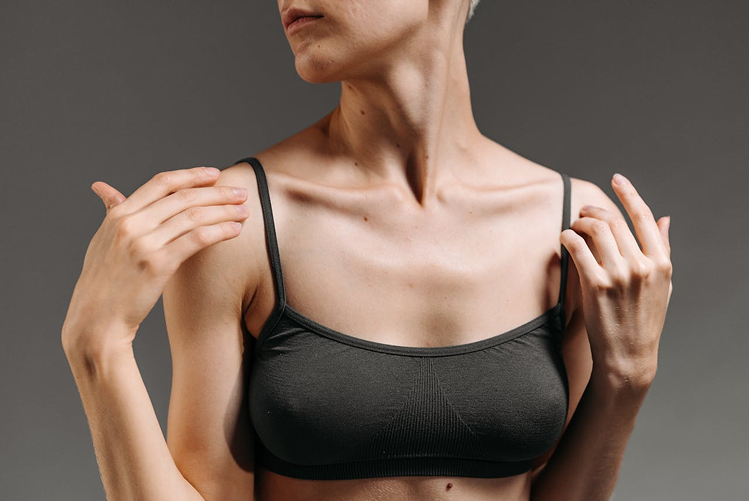


Our skin improvement methods
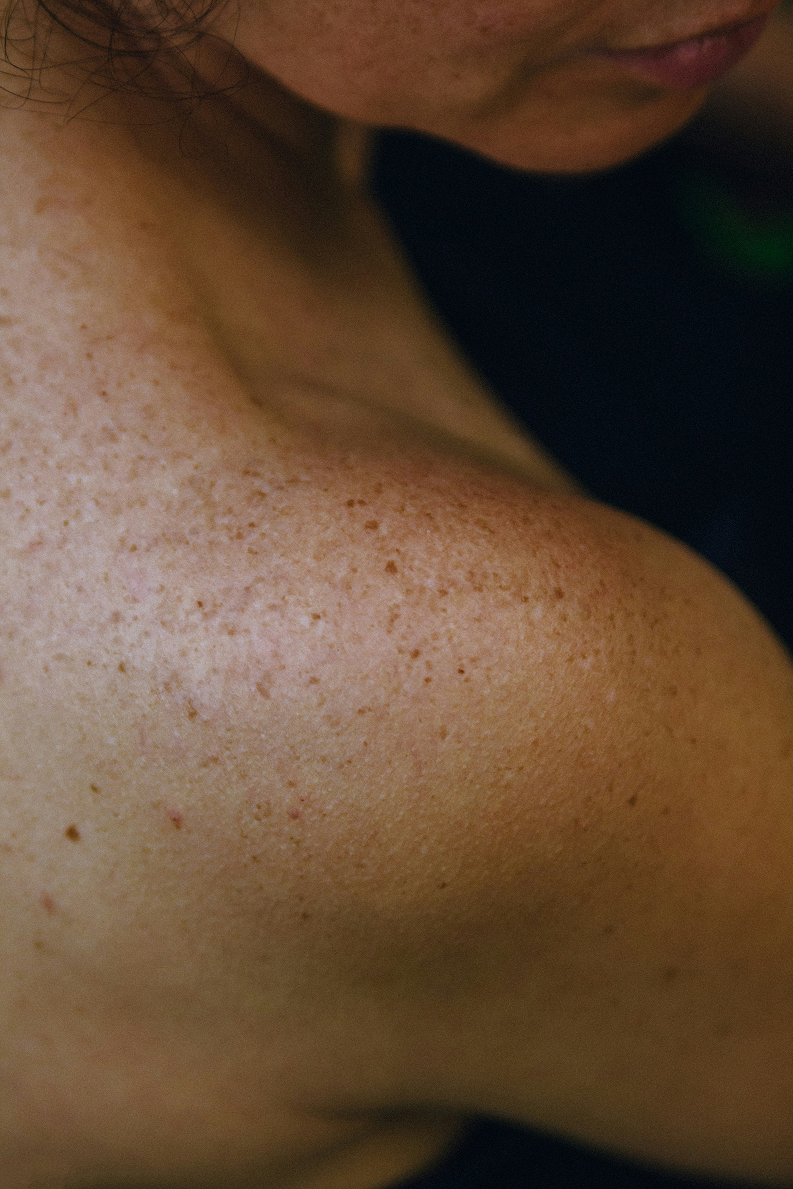
We offer market-leading technologies designed to precisely treat the skin’s various layers. During your consultation, your skincare specialist will assess which method is best suited to your individual needs.
LaseMD (Fractional Thulium Laser)
A non-ablative laser technique that creates microscopic channels in the skin. The method is ideal for stimulating cell renewal, which evens out skin tone, reduces fine lines and results in a significantly improved skin texture.
Radiofrequency skin rejuvenation (RF)
By delivering radiofrequency heat energy deeper into the tissue, the skin’s fibroblasts are stimulated to produce new collagen and elastin. The result is a gradual tightening and increased firmness from within.
Gentle approach
A fundamental principle underpinning all our treatments is respect for the skin’s anatomy and natural biology. Whether we use LaseMD or radiofrequency, our equipment operates with extreme precision to actively protect the surrounding tissue. The laser’s microscopic beams leave healthy skin intact between the treatment zones, which accelerates healing, and the RF technology delivers its heat to exactly the right depth without overheating the skin’s surface. This methodical and scientific approach makes the procedure gentler, significantly shortens recovery time and maximises the anatomical benefits for a lasting result.
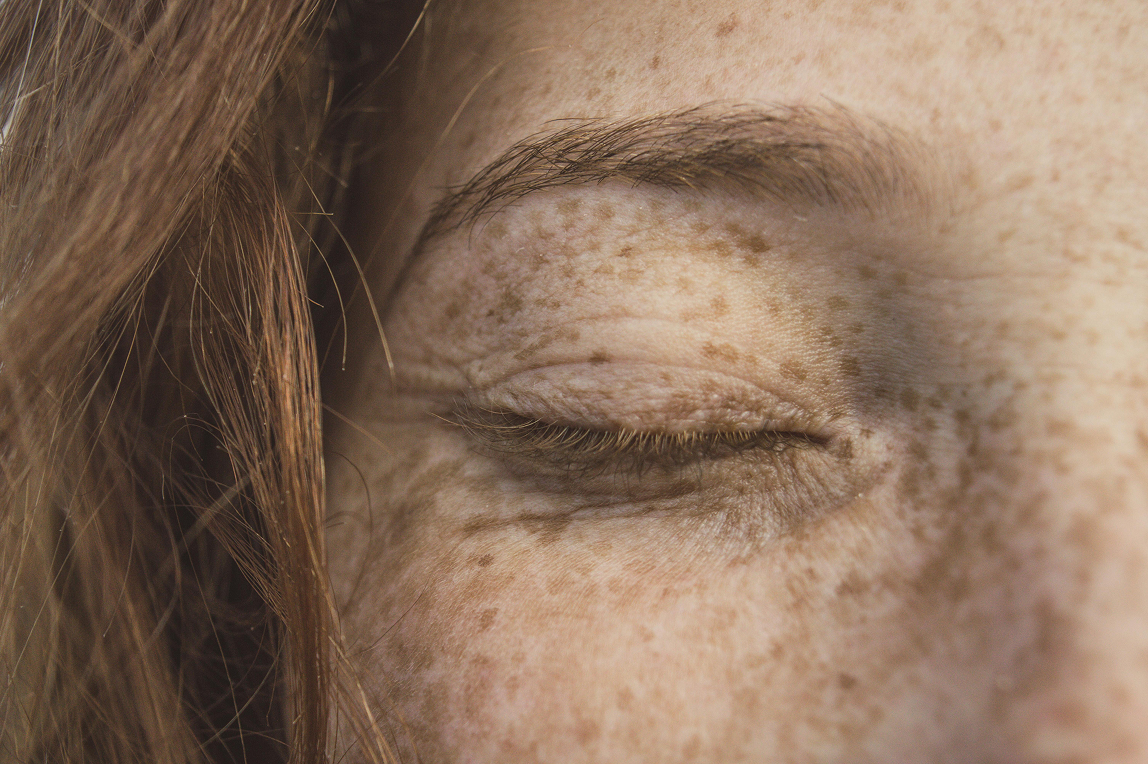
A clinic full of expertise
Treating the skin with advanced laser technology and concentrated thermal energy requires in-depth knowledge of dermatology and the underlying structures of the face. At The Faculty, your treatment is carried out exclusively by registered and specially trained nurses or qualified skincare therapists. We are driven by an uncompromising focus on patient safety and follow strict medical guidelines to ensure you receive professional and safe care.
Price for Sofwave
The cost of your skin-improving treatment depends on the size of the area to be treated and the technology used (laser or radiofrequency). At your initial consultation, you will always be given a fully transparent and personalised quote. Examples of our prices for skin texture and laser treatments:
Laser peeling part of the face
SEK 25 000
Full face laser peeling
SEK 45,000
Skin grinding
18,000 SEK
Sofwave neck
SEK 15 000
Sofwave (ultrasound for skin tightening)
SEK 25 000
Sofwave (ultrasound for skin tightening)
SEK 1,900
Consultation
500 kr
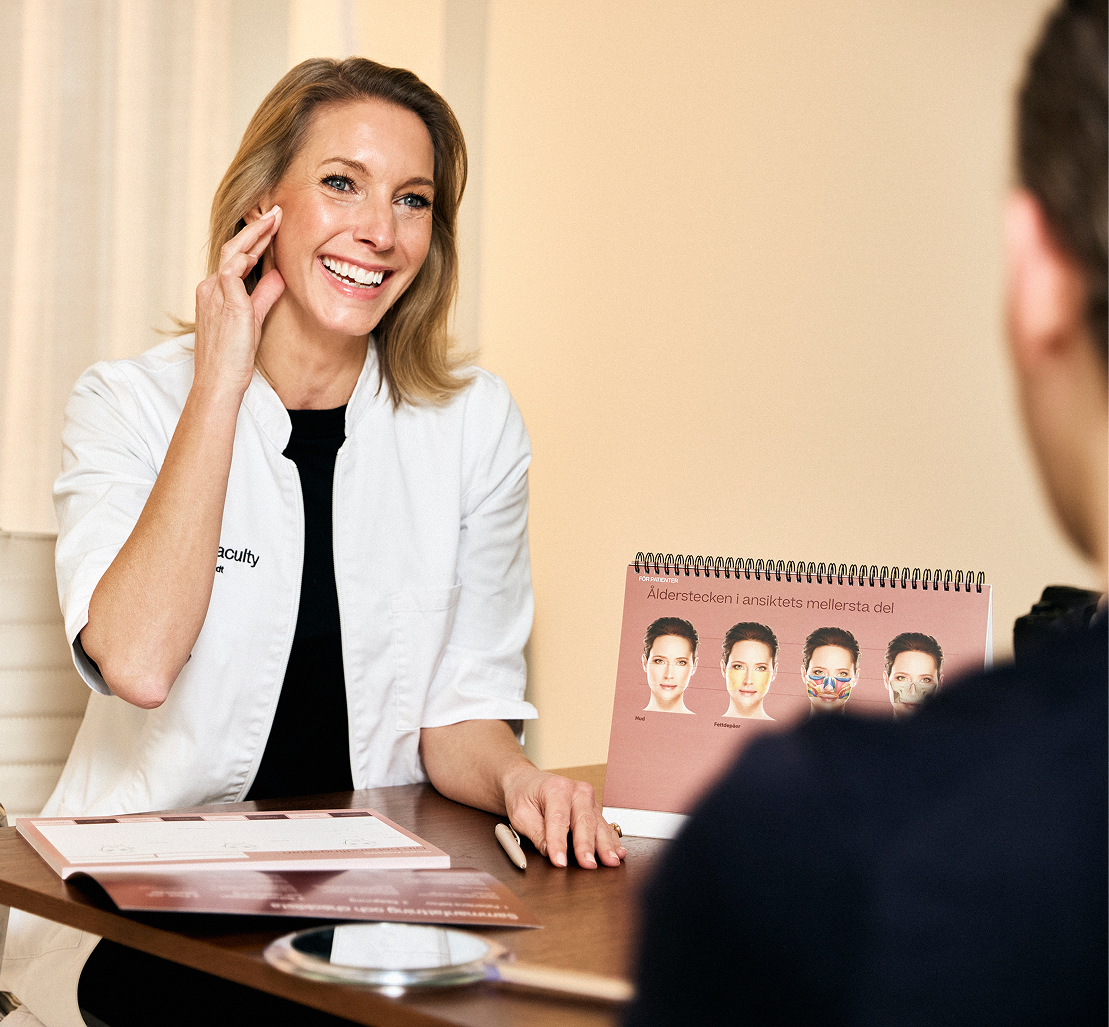
Consultation before injection treatment
The first step is to book an appointment with one of our specialists. During this consultation, we will assess your skin condition, discuss your expectations and have an open discussion about what results are anatomically realistic. You will receive factual information about how LaseMD and radiofrequency work on the tissue, as well as any potential side effects and recovery time.
You will receive a specific treatment proposal based on your body. After the consultation, you have a statutory reflection period of at least 48 hours to decide in peace and quiet whether you want to give your consent.
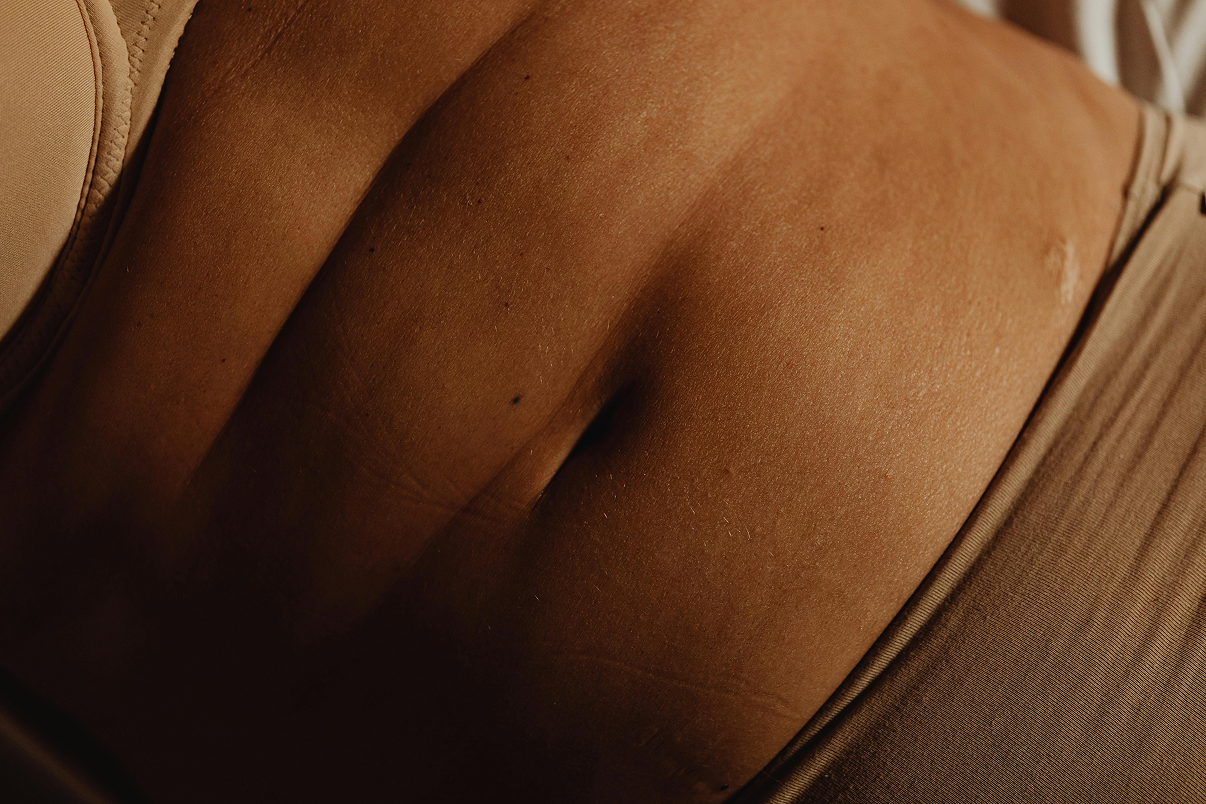
LaseMD and RF treatment
Step by step
We have a structured and reliable process, from your initial consultation right through to the final follow-up, so that you always know what to expect.
Consultation
Medical assessment and choice of method
You will meet one of our specialists, who will assess the condition of your skin and go through your health declaration. Together, you will decide whether radiofrequency, LaseMD or a combination of the two is the most medically appropriate course of action.
Before your treatment
Preparing for a safe operation
To minimise the risk of pigmentation changes, it is essential that you avoid direct sunlight and self-tanning products for four weeks prior to your appointment. We also recommend that you stop using strong, active skincare products a few days before your appointment.
The day of treatment
Safe care at the clinic
The skin is thoroughly cleansed. Depending on the method chosen and the intensity of the machine, we may apply a topical anaesthetic cream before starting. The practitioner then systematically moves the handpiece across the skin to deliver the energy with precise accuracy to the agreed areas.
After treatment
Awakening and initial rest
It is a physiologically normal reaction for the skin to feel warm, tight and show clear redness immediately afterwards. This controlled inflammation is exactly what is needed to stimulate cell renewal and collagen production.
Recovery & healing
Self-care and convalescence guidelines
The length of the recovery period depends entirely on the depth and intensity of the treatment. You will be given specific instructions and recommendations regarding gentle skincare products. It is absolutely essential that you protect the treated area with a high SPF sunscreen when outdoors during the healing phase.
Monitoring & results
Medical check-up and final assessment
As the skin needs plenty of time to build up its new network of collagen and elastin, we schedule a follow-up appointment in about three to six months. At that point, we will assess the skin’s new structure and compare it with the photographs we took before the treatment.
Our specialists
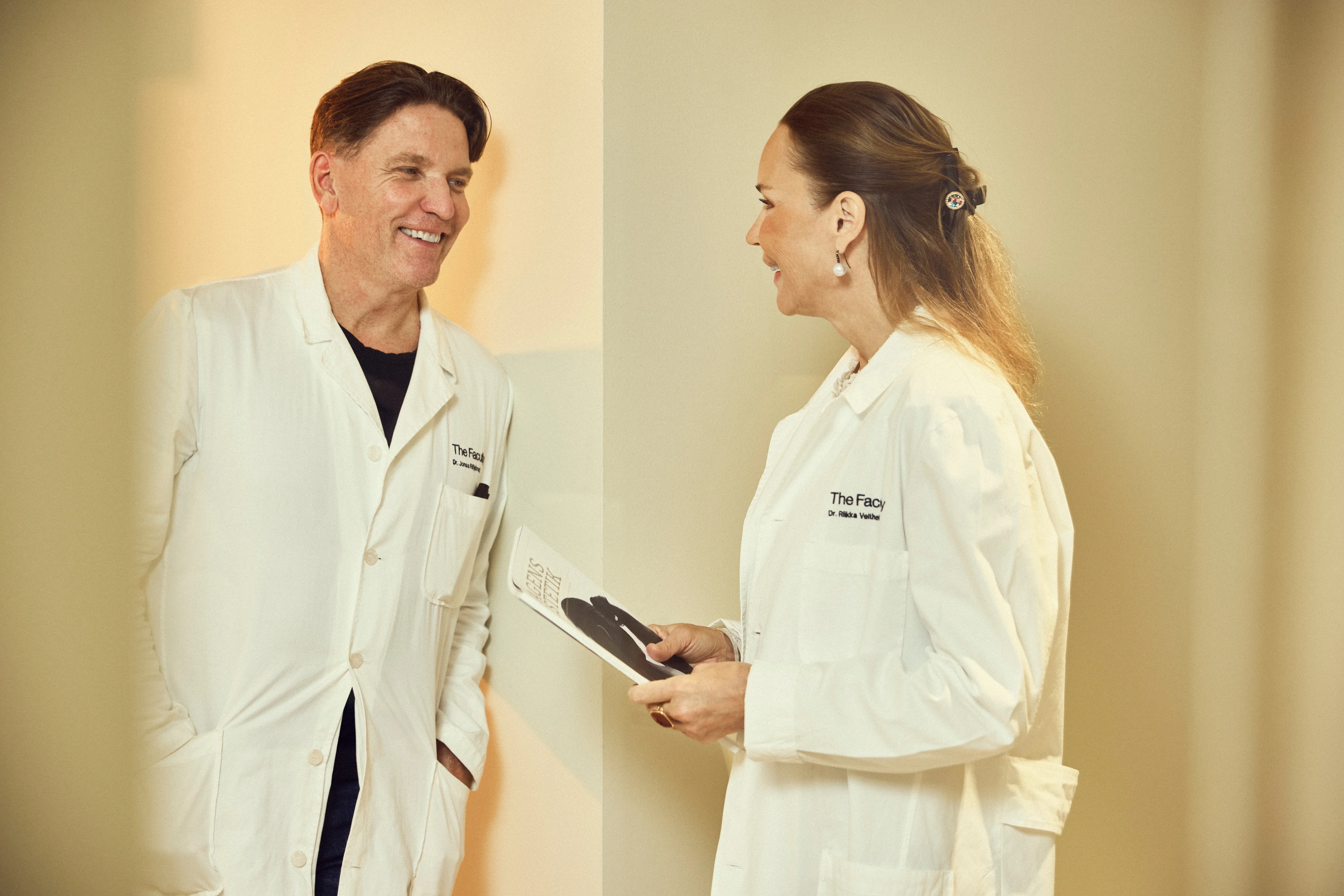
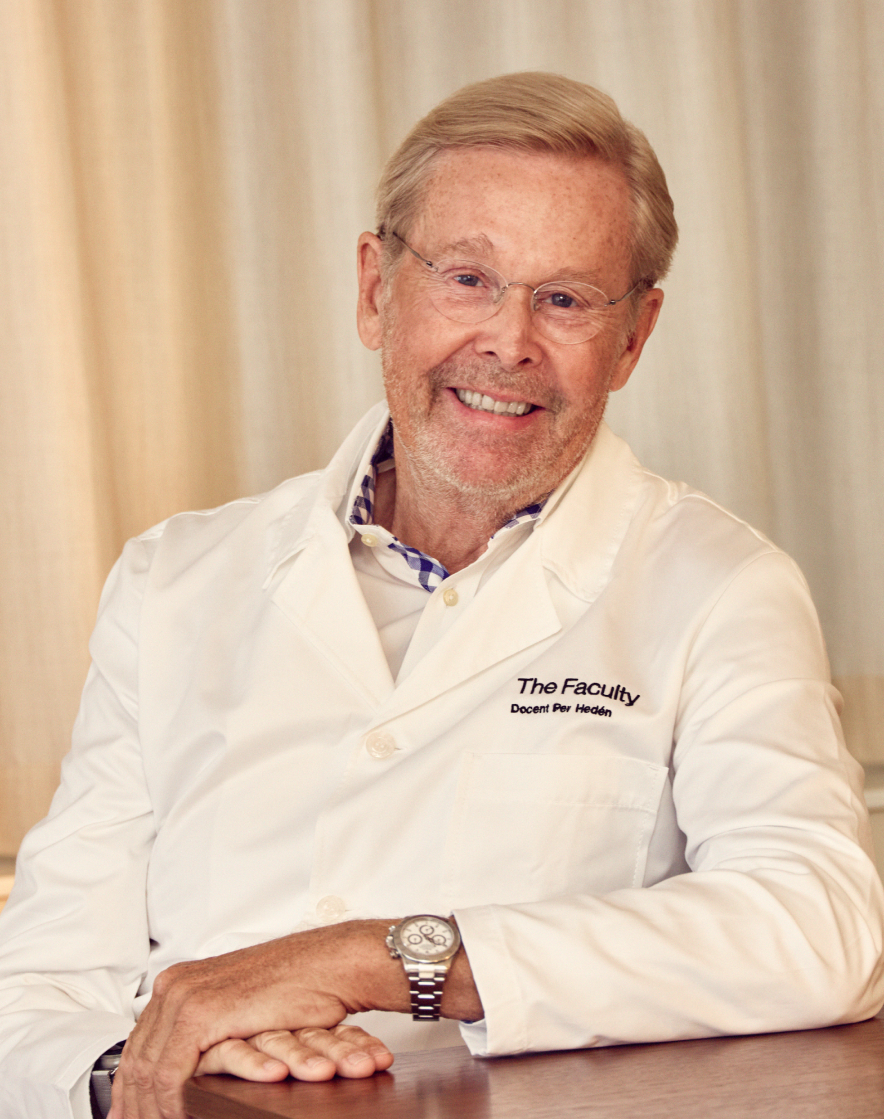
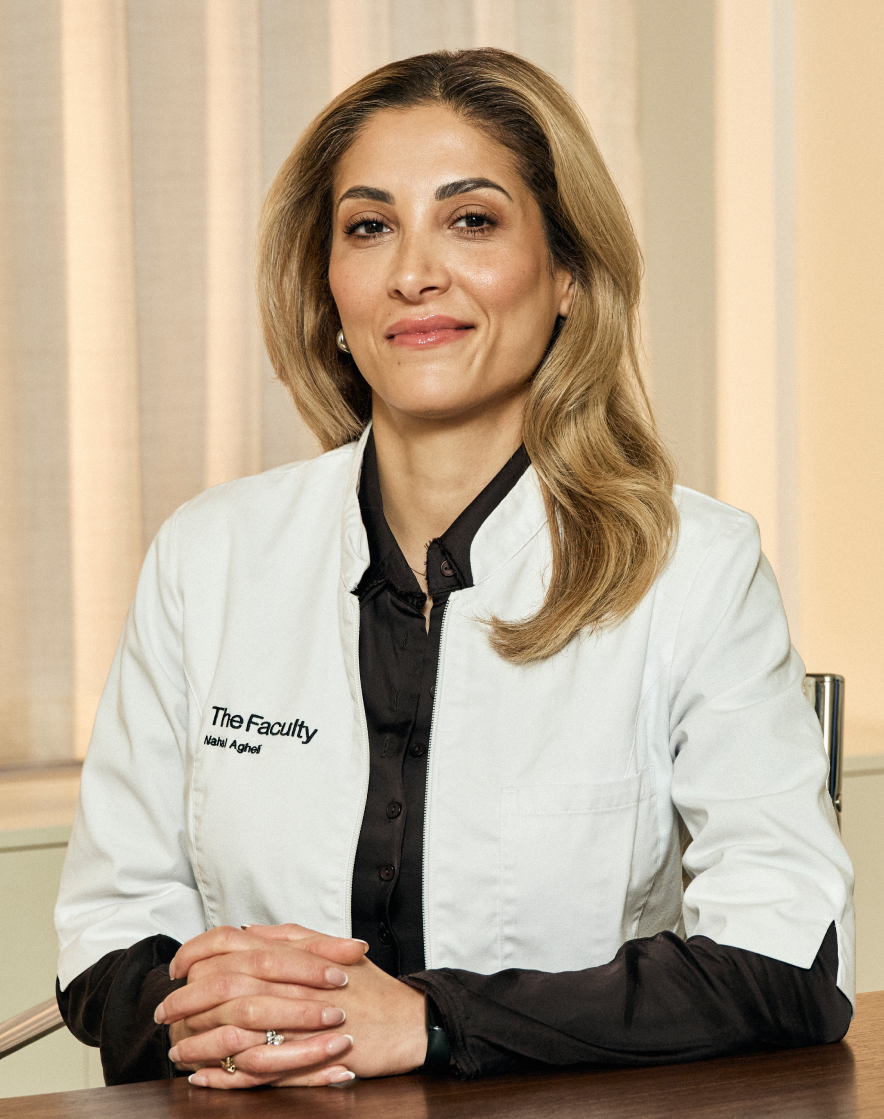
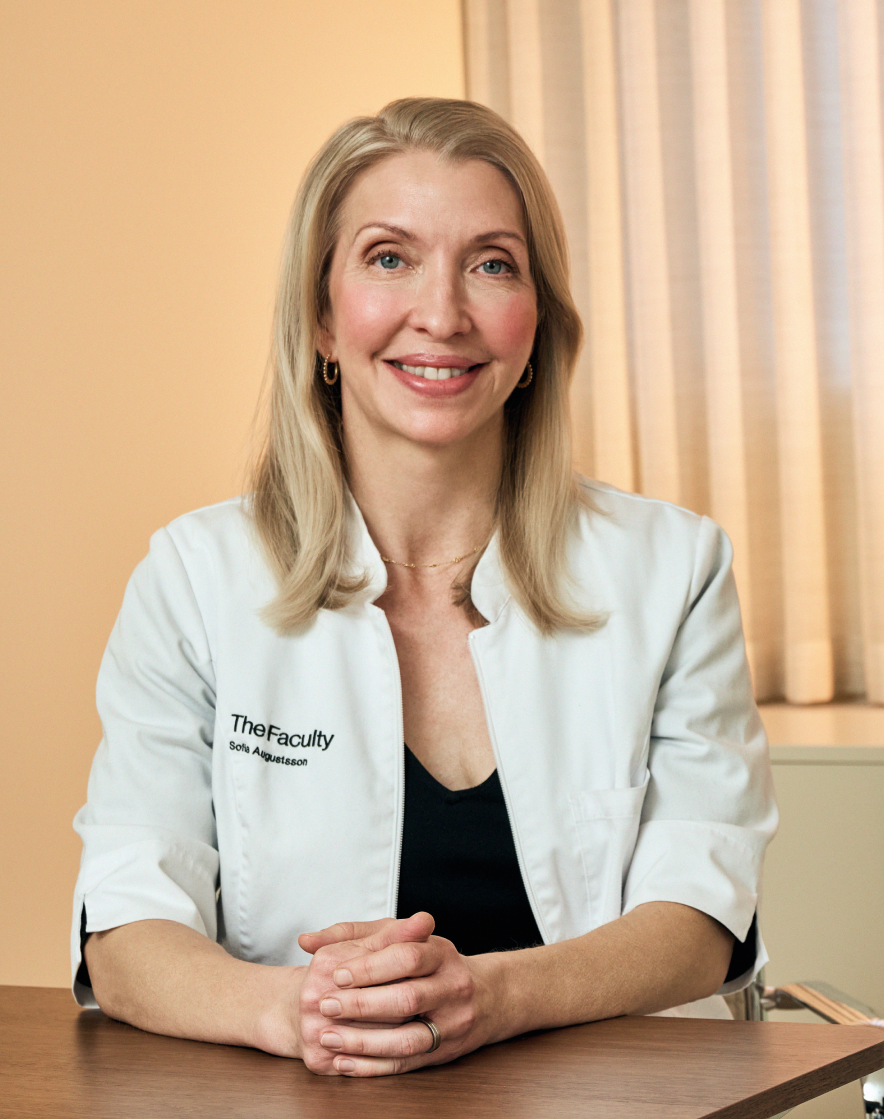
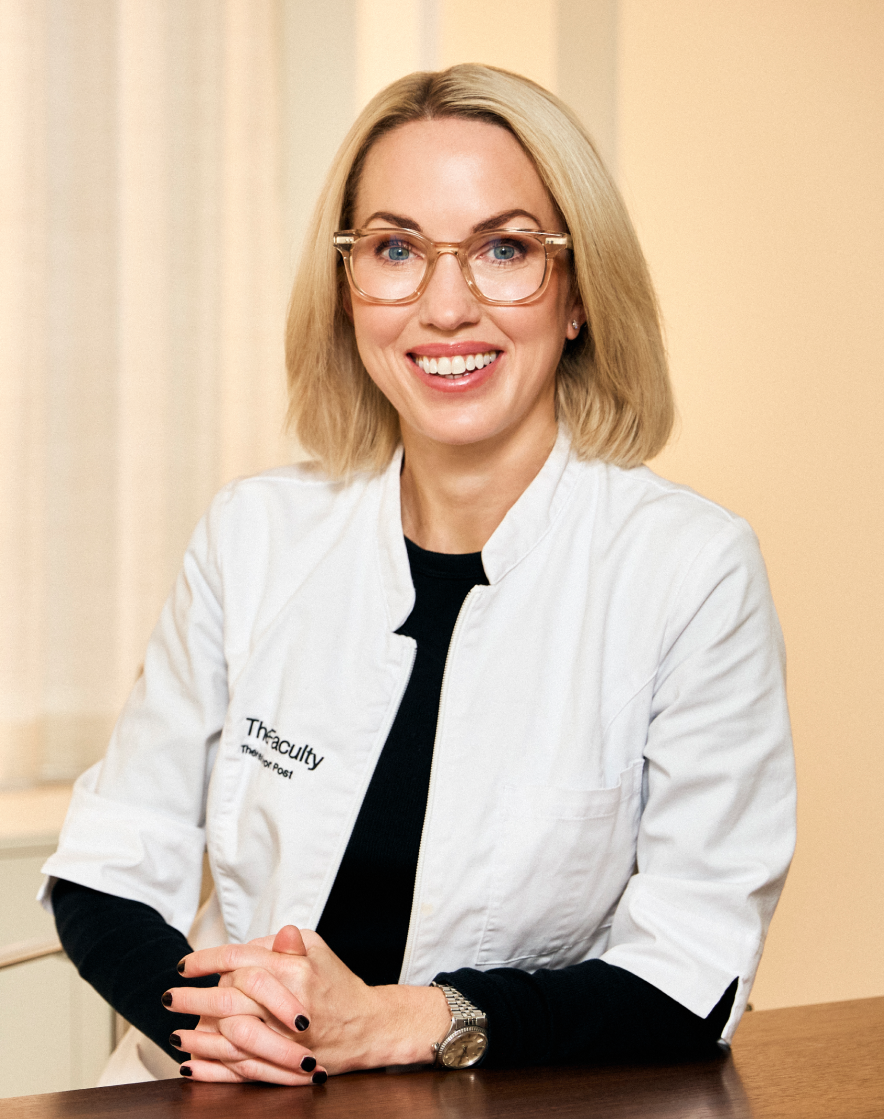
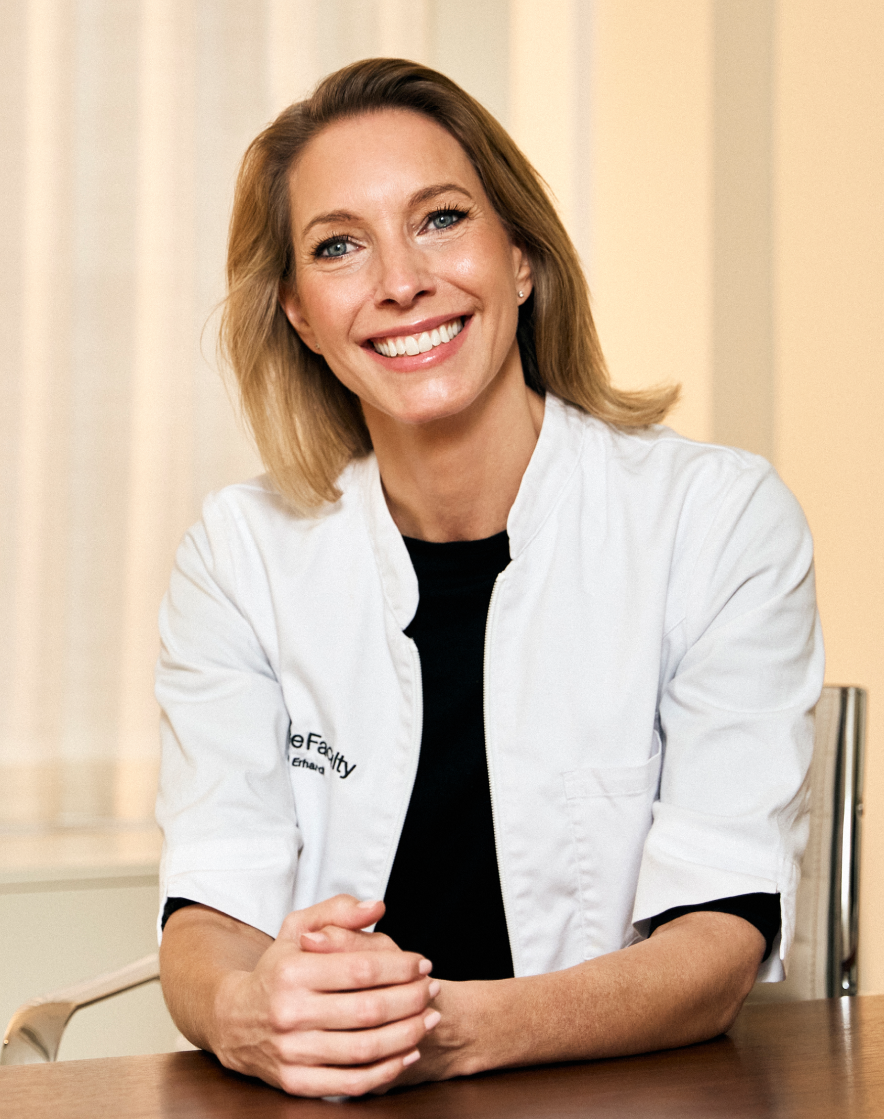
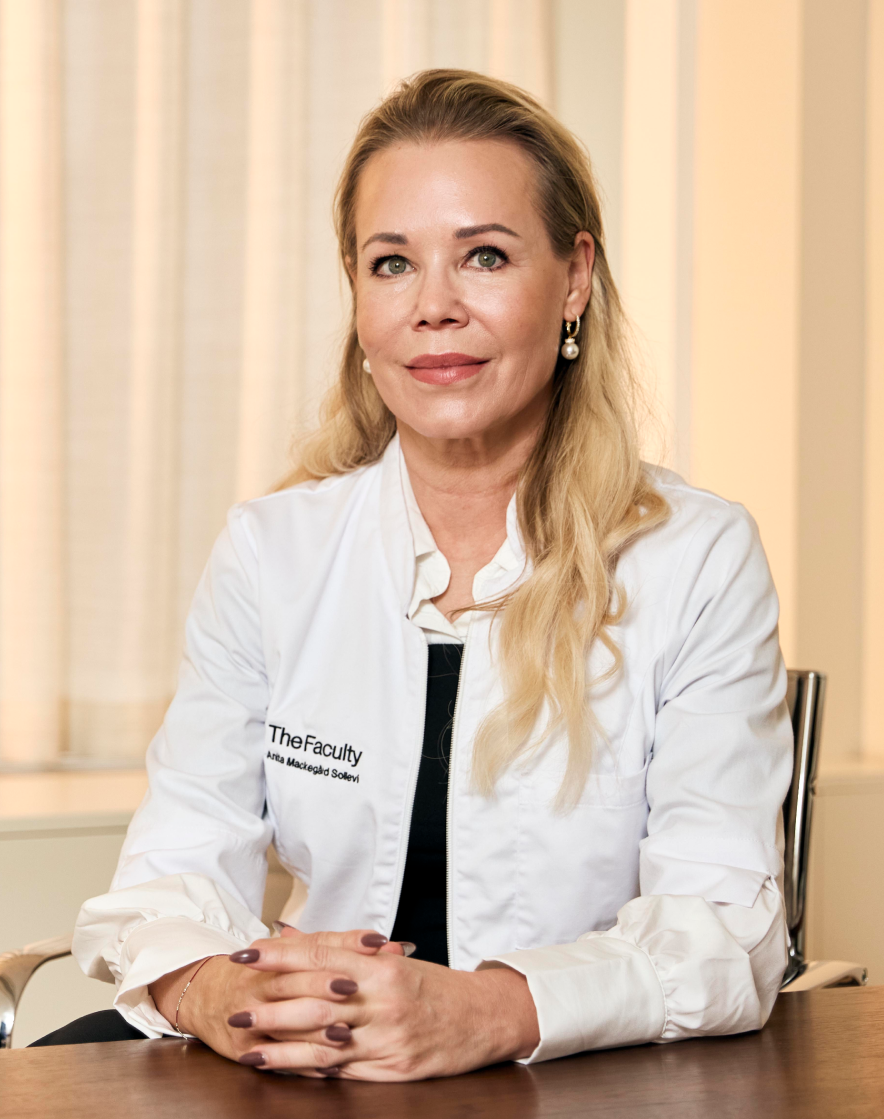
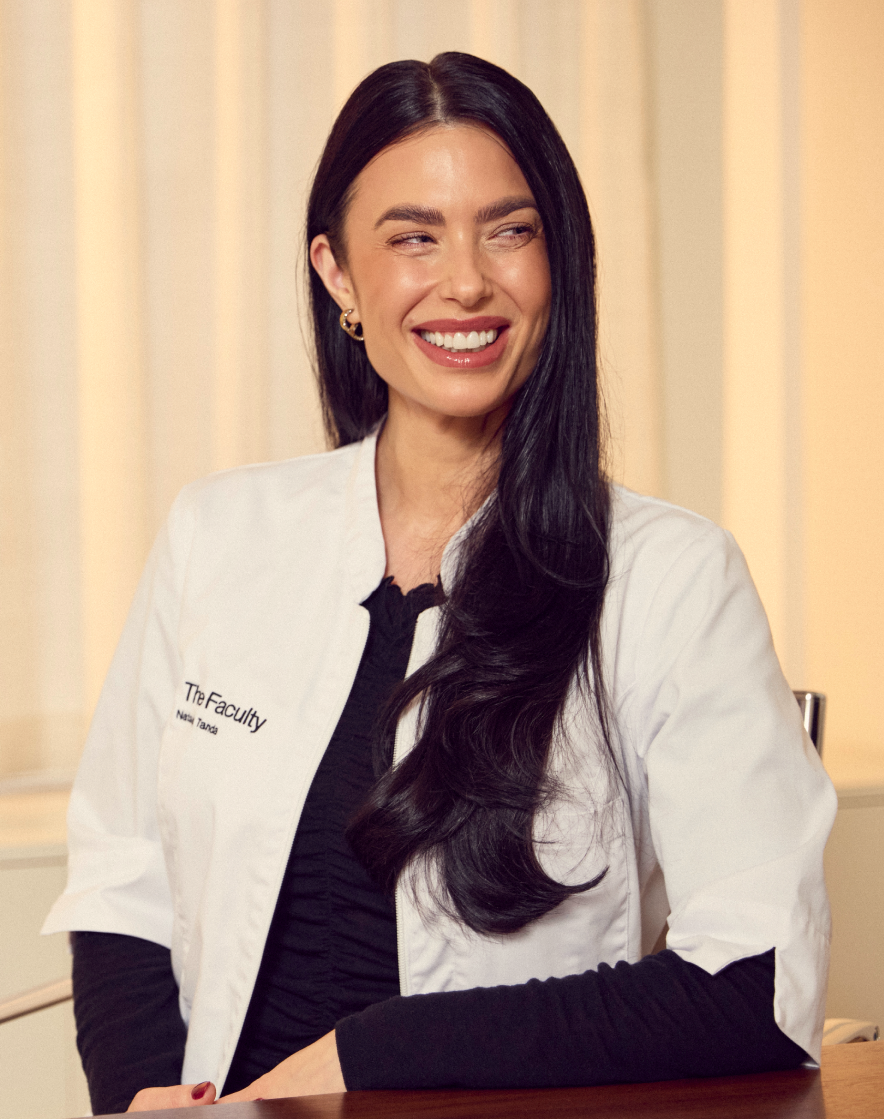
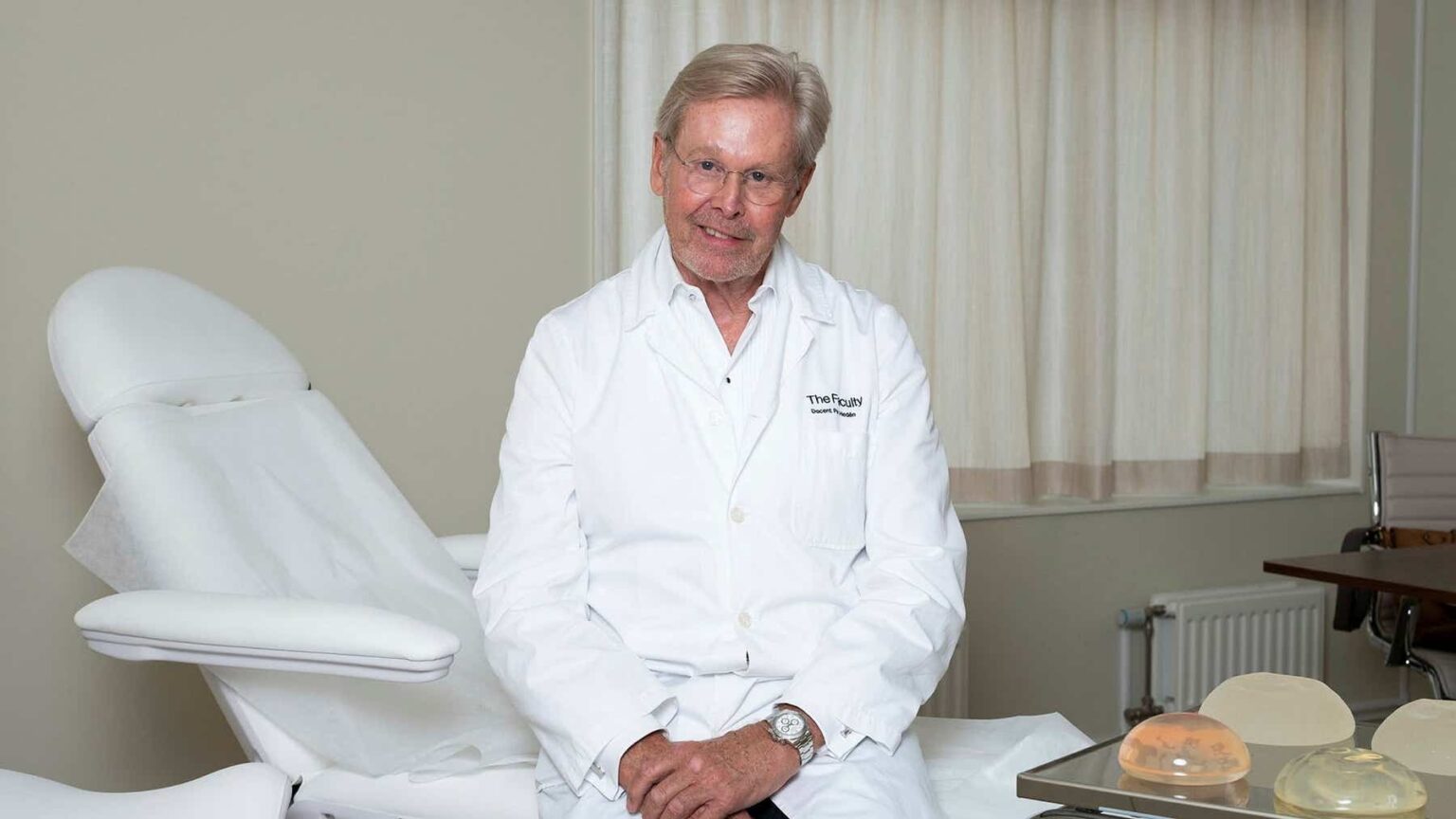
When you visit us, you will be looked after by a close-knit team of qualified nurses and skincare therapists with cutting-edge expertise in medical skincare. Their in-depth understanding of the skin’s different layers and how they react to thermal energy ensures that technologies such as LaseMD and radiofrequency are used with optimum effectiveness and safety.
Who is eligible for treatment?
These treatments are suitable for healthy individuals over the age of 18 who are experiencing mild to moderate loss of firmness, uneven skin tone or enlarged pores. During the consultation, we ensure that there are no medical contraindications. If you have active infections in the treatment area, a predisposition to severe keloid scarring or certain autoimmune diseases, these treatments are generally not recommended. As a precautionary measure, we do not treat pregnant or breastfeeding women.
Our clinics
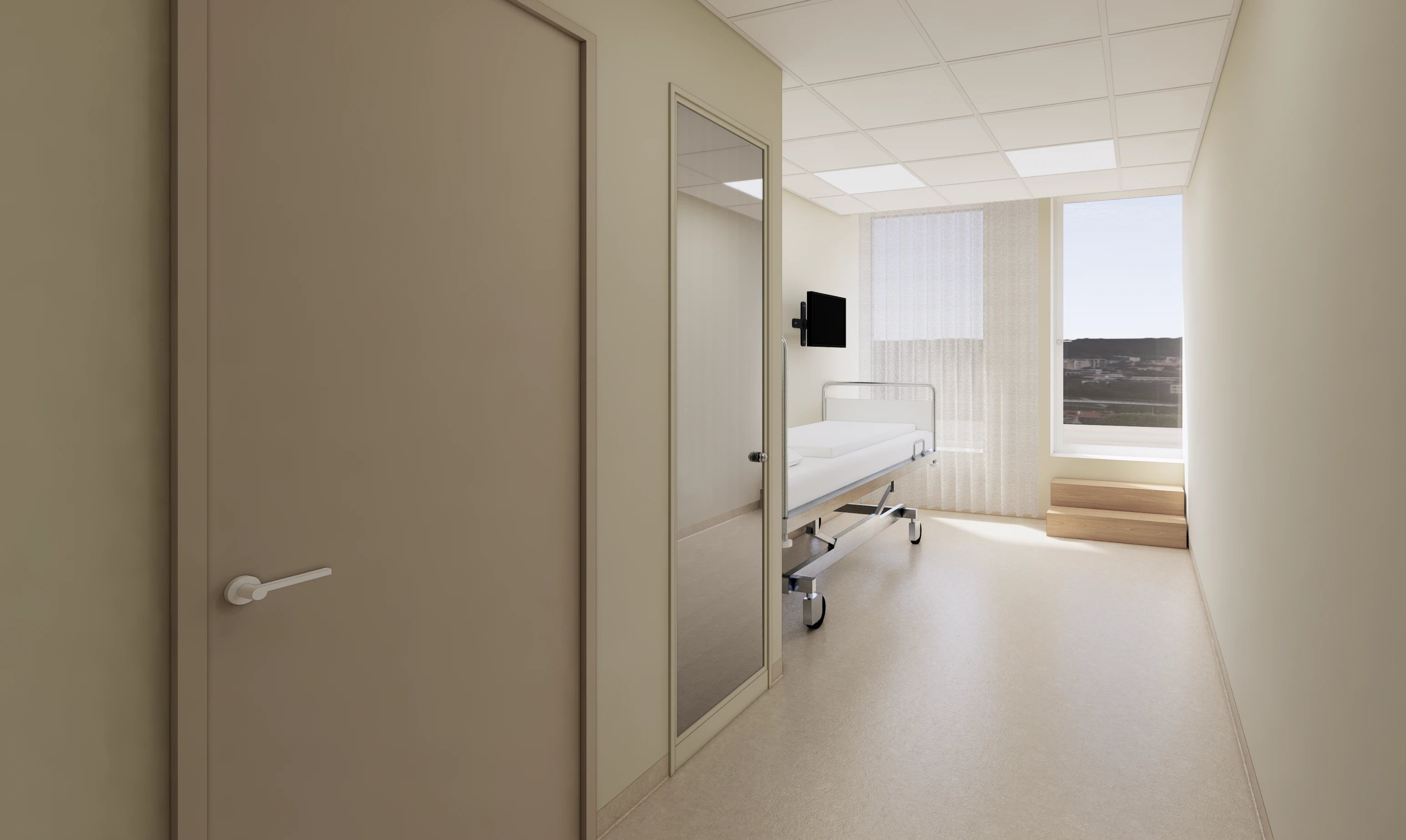
The Faculty combines medical safety with a welcoming environment. Our state-of-the-art clinic at Hangövägen 20 is one of the few plastic surgery clinics in Sweden that is built to proper hospital standards. For skin care and injection treatments, you are welcome to visit our walk-in clinic at Humlegårdsgatan 14 in central Stockholm. All operations are based on medical expertise and proven experience to offer a safe process from the first visit to the last follow-up.

Payment guarantee and insurance
We place great importance on both medical safety and financial transparency. As a registered healthcare provider, you are always covered by patient insurance when receiving treatment with us. During your consultation, you will be given a clear and binding quote. For those who wish, secure financing solutions are available through our partners, so you can spread the cost at a pace that suits you.
Articles & news
Frequently asked questions about LaseMD and RF treatments
Frequently asked questions about LaseMD and RF treatments
How long does it take to recover after a LaseMD treatment?
The recovery period is relatively short, but depends on the intensity of the treatment. Most people experience redness and a warm sensation during the first 24 hours. In the days that follow, the skin may feel slightly rough or dry, like very fine sandpaper, as it regenerates. You can usually return to work the next day, but should avoid make-up for the first 24 hours.
Does radiofrequency skin rejuvenation hurt?
You may feel a distinct sensation of heat in your skin, which is often described as intense pulses of heat. Our equipment is designed to be as gentle as possible, but to ensure your comfort, we often apply a medical numbing cream to the area a short while before the treatment begins.
How does RF differ from laser?
Put simply, lasers (such as LaseMD) primarily use light energy to improve the skin’s surface, texture and pigmentation, although they also stimulate collagen production. Radiofrequency (RF) uses thermal energy (electric current) that penetrates deeper into the tissue to primarily work structurally on firming and tightening, without affecting the skin’s surface to the same extent.
Does LaseMD work on all skin types?
Yes, one of the major advantages of a thulium laser such as LaseMD is that its specific wavelength is very gentle on the skin. It can generally be used on all skin types (Fitzpatrick I–VI) with a high degree of safety, unlike many older types of laser which carry a higher risk of pigmentation in patients with darker skin tones. However, a clinical assessment is always carried out first.
What happens in the skin during an RF treatment from a purely physiological point of view?
When RF energy heats the dermis to a specific temperature, a thermal reaction is triggered. This immediately causes the existing collagen to contract, which can provide a temporary lifting effect. More importantly, however, the heat ‘tricks’ the body’s fibroblasts into believing that an injury has occurred, which triggers the healing process (neocollagenesis) whereby large amounts of new, strong collagen are produced over the coming months.

The Evolution Of You, Guided by Science
Feedback skickad!
Tack! Vi har tagit emot dina ändringar och uppdaterar texten.