




Our IPL treatments
We use the most advanced broad-spectrum light system on the market. By employing specific optical filters, we can precisely control the light’s wavelengths so that it is absorbed by the correct targets (chromophores) in your skin, without damaging the surrounding tissue.
IPL for pigmentation spots and sun damage
When we target pigment, the light is filtered so that it is optimally absorbed by melanin. The light energy is converted into intense heat in a fraction of a second. This heat breaks down the pigment deposits into microscopic fragments. This biological process often causes the spot to darken immediately, before migrating to the skin’s surface and being naturally shed (desquamation).
IPL for superficial blood vessels and rosacea
To treat diffuse redness and visible capillaries, the light is adjusted to be absorbed by haemoglobin (the red pigment in the blood). The heat generated causes the blood to coagulate, which damages the inside of the dilated blood vessel wall. The vessel collapses and is then gradually absorbed by the body’s lymphatic system.
IPL skin rejuvenation
The method is also used to improve the skin’s overall density. By delivering a controlled pulsed heat deep into the dermis, controlled thermal stimulation is created. This process activates the skin’s fibroblasts, which respond by increasing the production of structural proteins such as collagen and elastin.
Gentle approach
The skin on the face varies in thickness and requires extreme precision to avoid burns. Our machines are equipped with built-in sapphire glass contact cooling that cools the epidermis to a precise and safe temperature milliseconds before, during and after each light pulse. By respecting the tissue’s thermal relaxation time (the time it takes for the tissue to cool down), we can deliver high and effective energy to the target, whilst keeping the skin’s surface intact.

A clinic full of expertise
Working with medical IPL and lasers is a physiologically complex task. Incorrect settings can lead to a lack of results or, in the worst case, serious skin damage. At The Faculty, these treatments are performed exclusively by qualified skin therapists and nurses with extensive clinical experience in laser physics. Patient safety is at the heart of everything we do. We place great importance on explaining the biological processes to you, so that you are fully informed and feel confident at every stage.
Price of IPL treatment
Your exact cost will be determined during your consultation and is based on the extent of the treatment, for example, whether we are treating individual pigmentation spots or carrying out a full skin rejuvenation treatment on the face and neck. We generally recommend a course of treatment for the best structural results.
Full-face IPL skin rejuvenation
3 000 kr
IPL pigmentation spots (part of the face)
1,800 SEK
IPL pigmentation spots (part of the face)
1,800 SEK
IPL / Laser hair removal
1,800 SEK
Consultation
500 kr

Consultation before injection treatment
Your treatment journey always begins with a comprehensive clinical skin analysis. Your specialist will assess your skin type using the Fitzpatrick scale, which is crucial in determining which light settings can be used safely. We review your medical history, rule out any contraindications (such as photosensitising medications) and assess your suitability.
You will receive a specific treatment proposal based on your body. After the consultation, you have a statutory reflection period of at least 48 hours to decide in peace and quiet whether you want to give your consent.
IPL
Step by step
To make sure you know exactly what to expect, we have a very clear process from the first meeting to the final check.
Consultation
Medical assessment and choice of method
We assess your skin barrier and determine your Fitzpatrick skin type. We ensure that your skin is not tanned and that you are not using any self-tanning products, which is a strict requirement for the treatment to be safe.
Before your procedure
Preparing for a safe operation
You must absolutely avoid sun exposure for at least four weeks before your appointment. The reason is physiological: if there is a lot of active melanin (sun tan) in the skin, the light energy will be absorbed by the skin’s surface instead of reaching the target, which drastically increases the risk of burns.
The day of treatment
Safe care at the clinic
The skin is thoroughly cleansed of lipids (oils) and make-up, which can otherwise reflect the light. Both you and the practitioner will be provided with protective goggles to block the intense flashes of light. We apply a transparent optical gel to the skin. This gel matches the skin’s refractive index to effectively guide the light downwards and also acts as a cooling barrier.
After treatment
Awakening and initial rest
The sapphire crystal on the handpiece is placed firmly against the skin. When the light pulse is triggered, you will feel an intense, warm sting best described as a snap from a rubber band. The sensation passes in a second thanks to the built-in cooling system. Treating the whole face usually takes about 20 minutes.
Recovery & healing
Self-care and convalescence guidelines
The gel is wiped off. It is a normal and positive clinical reaction for the skin to become erythematous (red) and feel warm, similar to a mild sunburn. Some swelling (oedema) may occur, particularly around the cheekbones and eyes if vessels have been treated in those areas. We apply a clinical recovery cream and a medical sunscreen.
Monitoring & results
Medical check-up and final assessment
Your skin is now highly susceptible to UV damage. After IPL treatment, you must use SPF 50 daily and avoid direct sunlight. To avoid stimulating blood circulation and reopening the vessels we have just closed, you should refrain from intense physical exercise, hot baths and saunas for at least 48 hours.
Our specialists
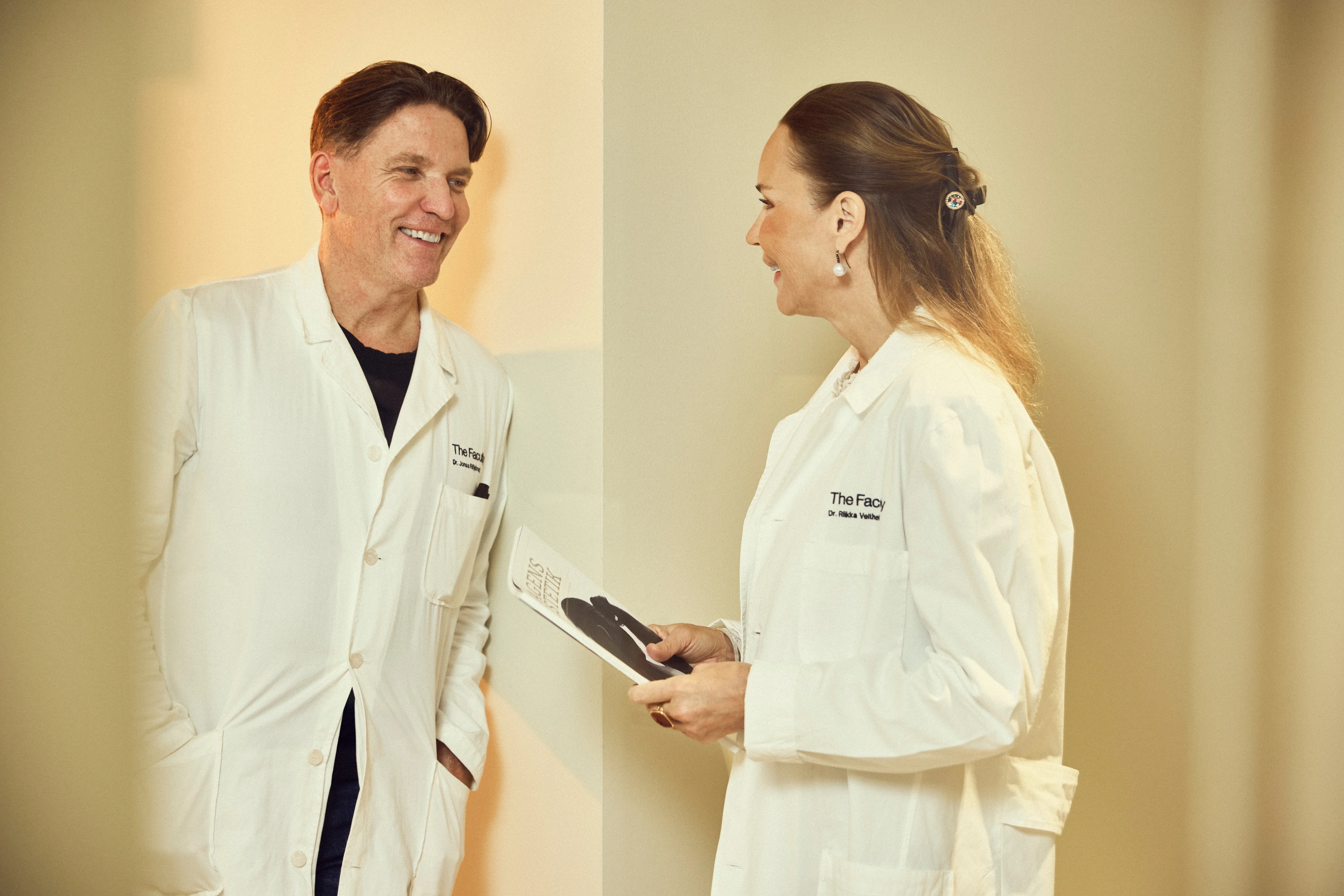
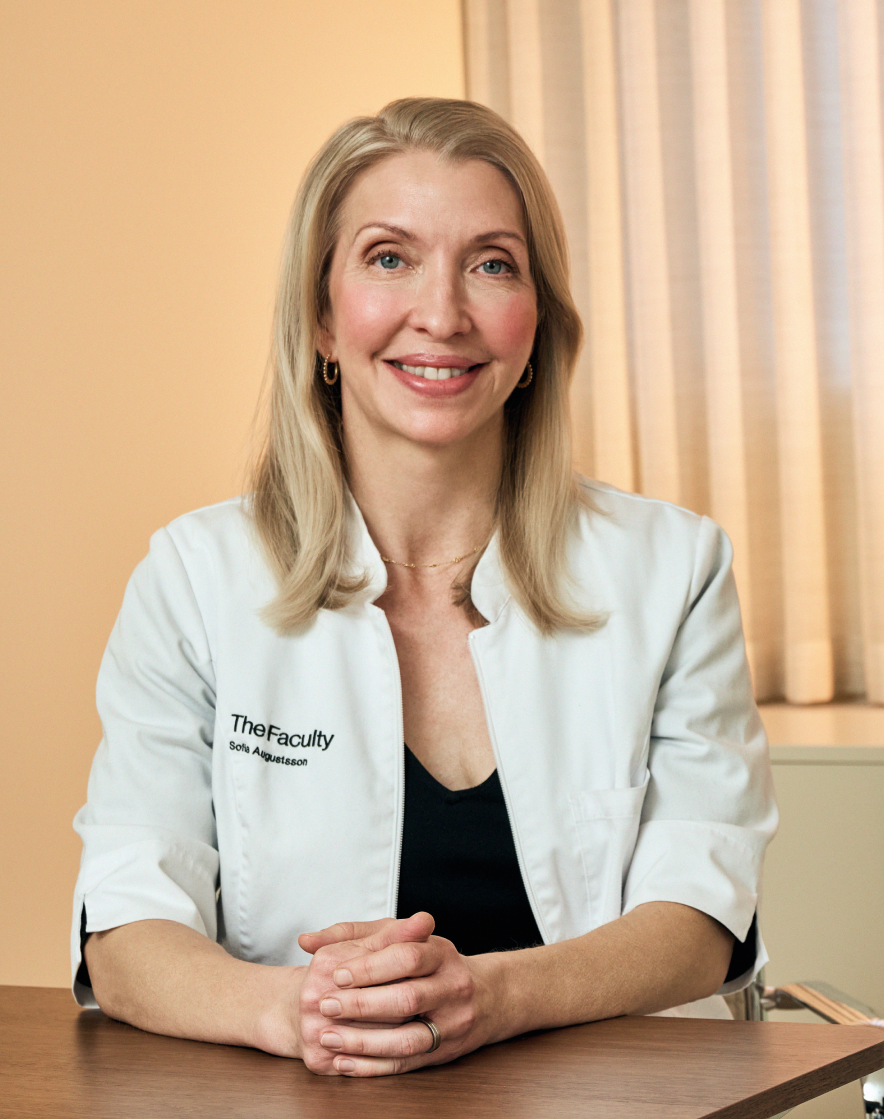
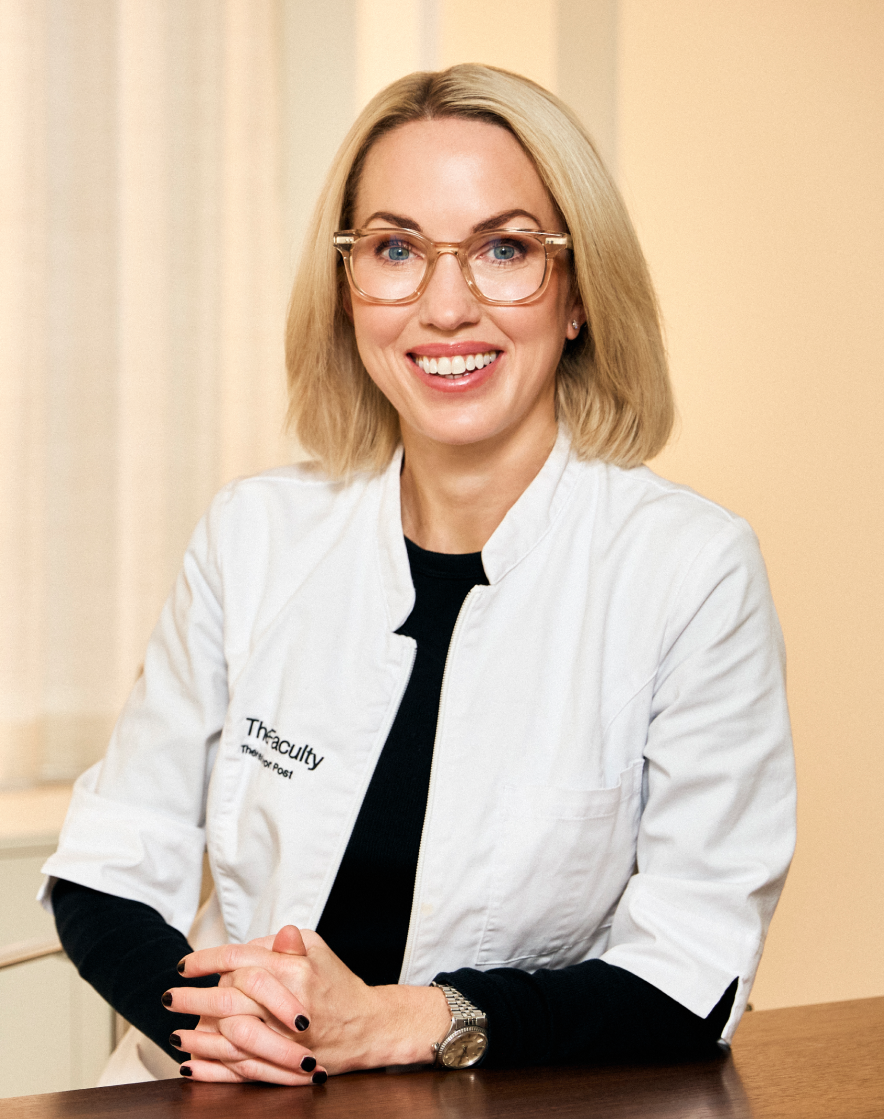
At The Faculty, all light-based treatments are carried out by qualified specialists. Working with light that breaks down tissue requires a deep understanding of the skin’s biology. Our team’s extensive training and long-standing clinical experience are your greatest assurance of an accurate diagnosis and optimal settings.




Who can undergo the treatment?
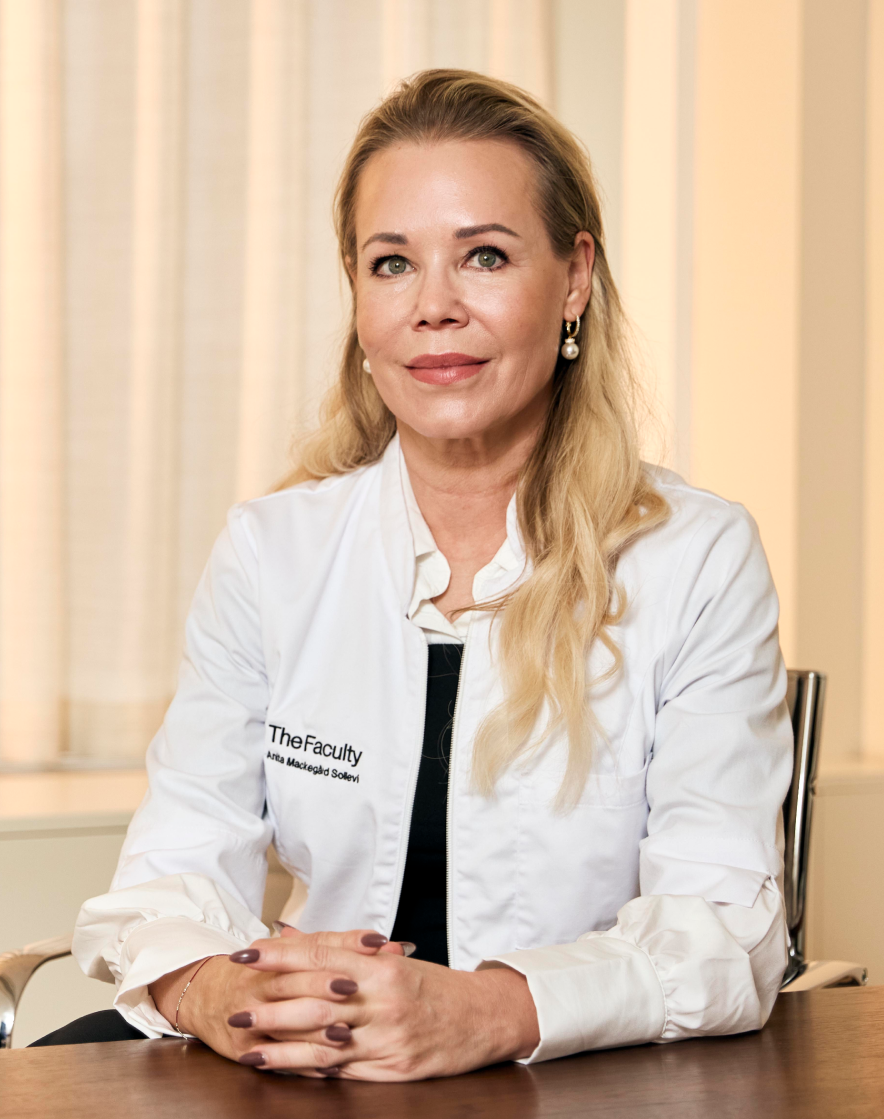
The treatment is suitable for patients over the age of 18 who are in good general health. From a purely biophysical perspective, IPL works best and is safest on fair to light olive skin types (Fitzpatrick I–IV), where there is a clear contrast between the fair skin and the dark pigment or red blood vessels. Very dark skin types contain too much basal melanin, which makes the method unsafe as there is a risk that the light will burn the skin. We do not treat pregnant or breastfeeding women, or patients taking photosensitising medication (e.g. Roaccutane).

Our clinics
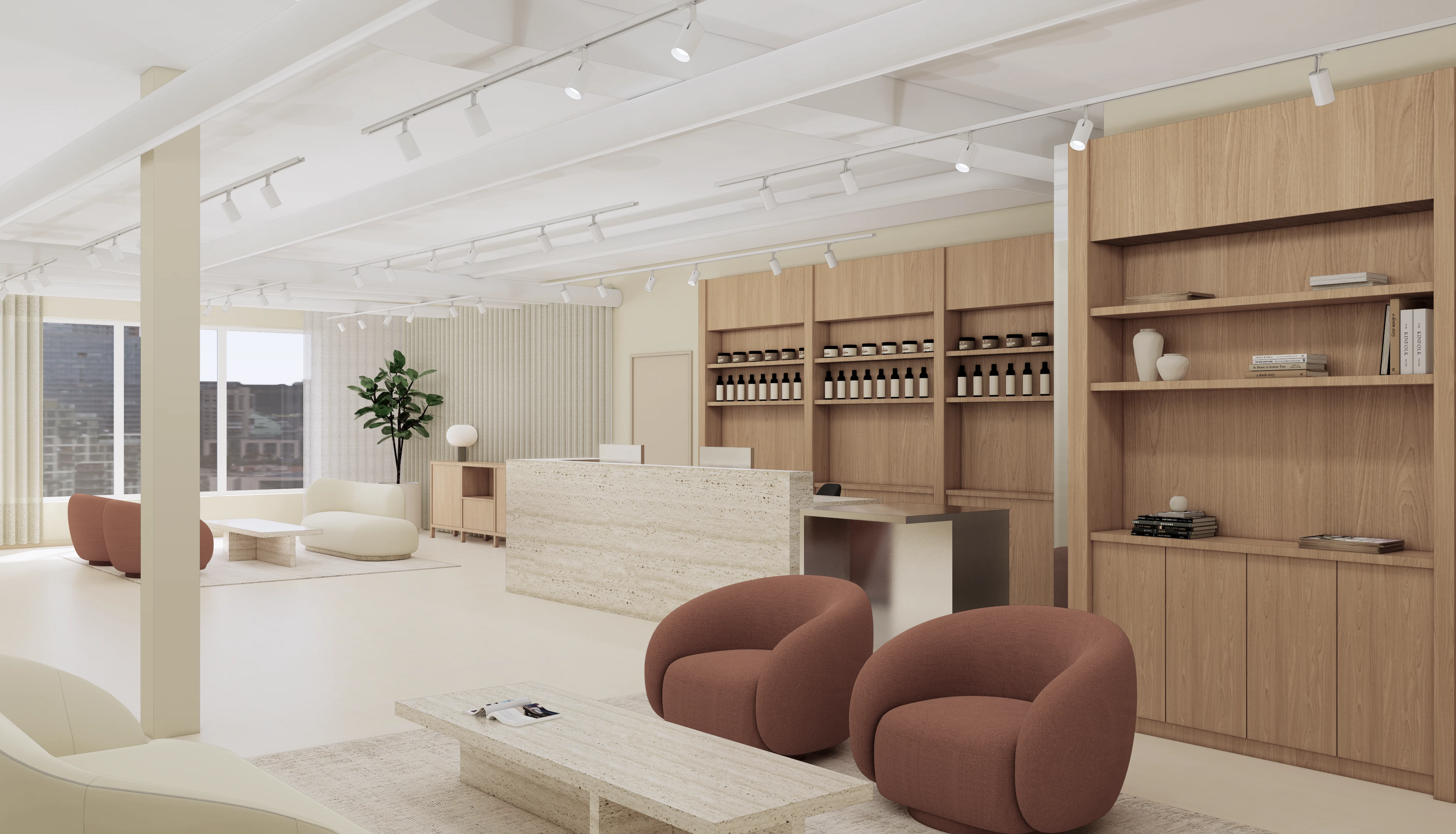
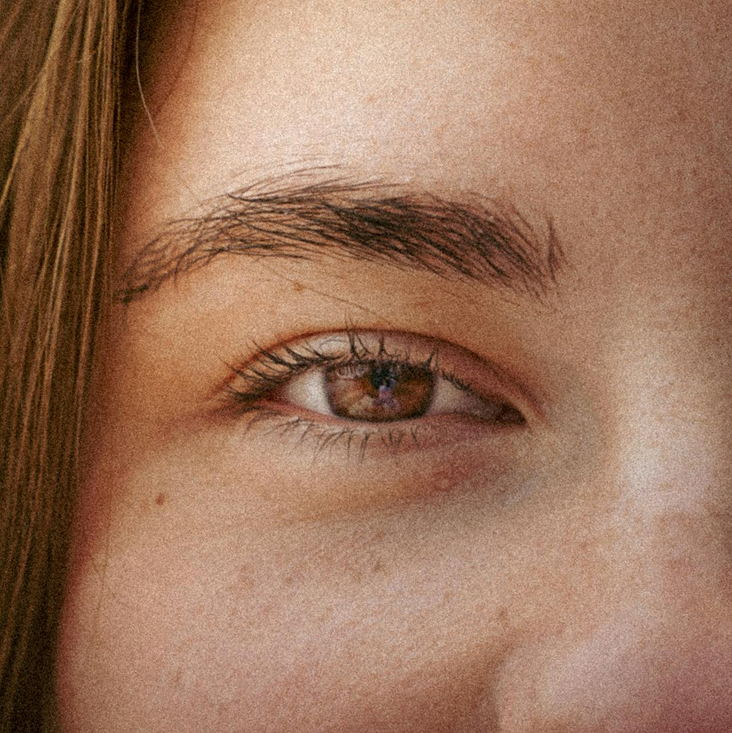
The Faculty combines medical safety with a welcoming environment. Our state-of-the-art clinic at Hangövägen 20 is one of the few plastic surgery clinics in Sweden that is built to proper hospital standards. For skin care and injection treatments, you are welcome to visit our walk-in clinic at Humlegårdsgatan 14 in central Stockholm. All operations are based on medical expertise and proven experience to offer a safe process from the first visit to the last follow-up.

Payment guarantee and insurance
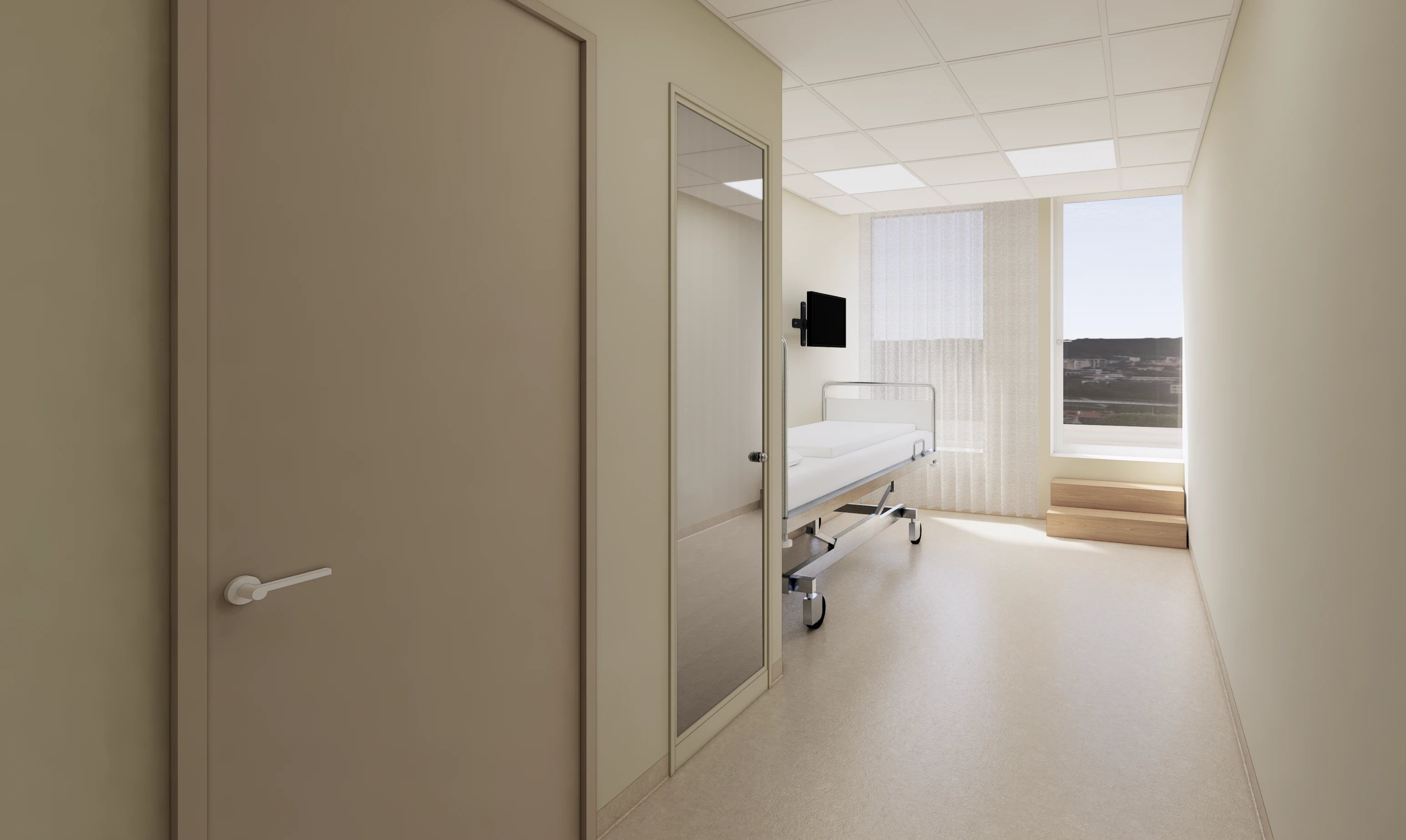
Transparency is a cornerstone of The Faculty. As a registered healthcare provider, you are always covered by patient insurance. During your consultation, you will receive a clear and detailed quote for your recommended treatment plan. For those who wish, flexible payment plans are also available.
Articles & news

Frequently asked questions about IPL
Frequently asked questions and answers about IPL and laser treatments
What is the difference between IPL and laser (IPL vs laser)?
The difference between IPL and laser lies, in purely physical terms, in the light beam. A laser uses monochromatic (single-colour) light of a single wavelength that travels in a perfectly straight line. This makes it very powerful for reaching deep and precisely. IPL spreads the light across multiple wavelengths. This makes IPL excellent for treating several superficial problems simultaneously over a larger area, such as both redness and pigmentation spots on the cheeks.
Is an IPL laser for home use just as effective?
No. Devices marketed as "home IPL lasers" have their energy output significantly reduced for legal and safety reasons. They do not generate the heat required to coagulate blood vessels or break down deeply pigmented melanin. Home devices may provide some temporary hair reduction, but for safe structural changes, a clinical device and a practitioner who can interpret the skin’s response are required.
Does IPL work for rosacea?
Yes, it is one of the most well-documented methods. Although rosacea is a chronic condition that cannot be completely cured, IPL is extremely effective at alleviating the symptoms. The light targets and closes the hyperactive, dilated blood vessels that cause the redness and burning sensation in the skin.
What should you bear in mind after IPL treatment?
Your skin is in an active healing phase and the skin barrier is sensitive. You must avoid direct sunlight and use a high SPF over the coming weeks to prevent pigmentation damage. You should also avoid any activity that significantly increases blood circulation (such as strenuous exercise or a sauna) for the first 48 hours, to prevent the clotted blood vessels from being pushed up and reopening.
Is it best to use IPL or laser for hair removal?
Both methods work by heating the pigment in the hair follicle. Generally speaking, clinics prefer a targeted laser (such as a diode or alexandrite laser) for permanent hair removal, as the laser light penetrates deeper to the root with greater precision. IPL can be effective, but often requires more treatment sessions.
Does the treatment hurt?
The sensation is entirely individual and depends on how much pigment or superficial blood vessels you have. When the light pulse is triggered, most people feel a hot prick, similar to the snap of a rubber band. However, the sensation lasts only a fraction of a second. Our machines continuously cool the skin, which significantly reduces any discomfort.
Will my pigmentation marks disappear for good (IPL pigmentation mark results)?
The treatment effectively breaks down the existing, damaged pigment. However, your skin always retains the ability to produce new melanin. If you expose your skin to unprotected sun exposure in the future, or if certain hormonal changes occur, new pigmentation spots may be triggered and appear. Sun protection is key to maintaining the results.

The Evolution Of You, Guided by Science
Feedback skickad!
Tack! Vi har tagit emot dina ändringar och uppdaterar texten.