





Our methods using polynucleotides and PDRN
We use clinically proven methods to stimulate the skin from within. Depending on the area being treated and your skin type, we use various formulations based on highly purified polynucleotides (often referred to as PDRN).
Polynucleotides for the eyes
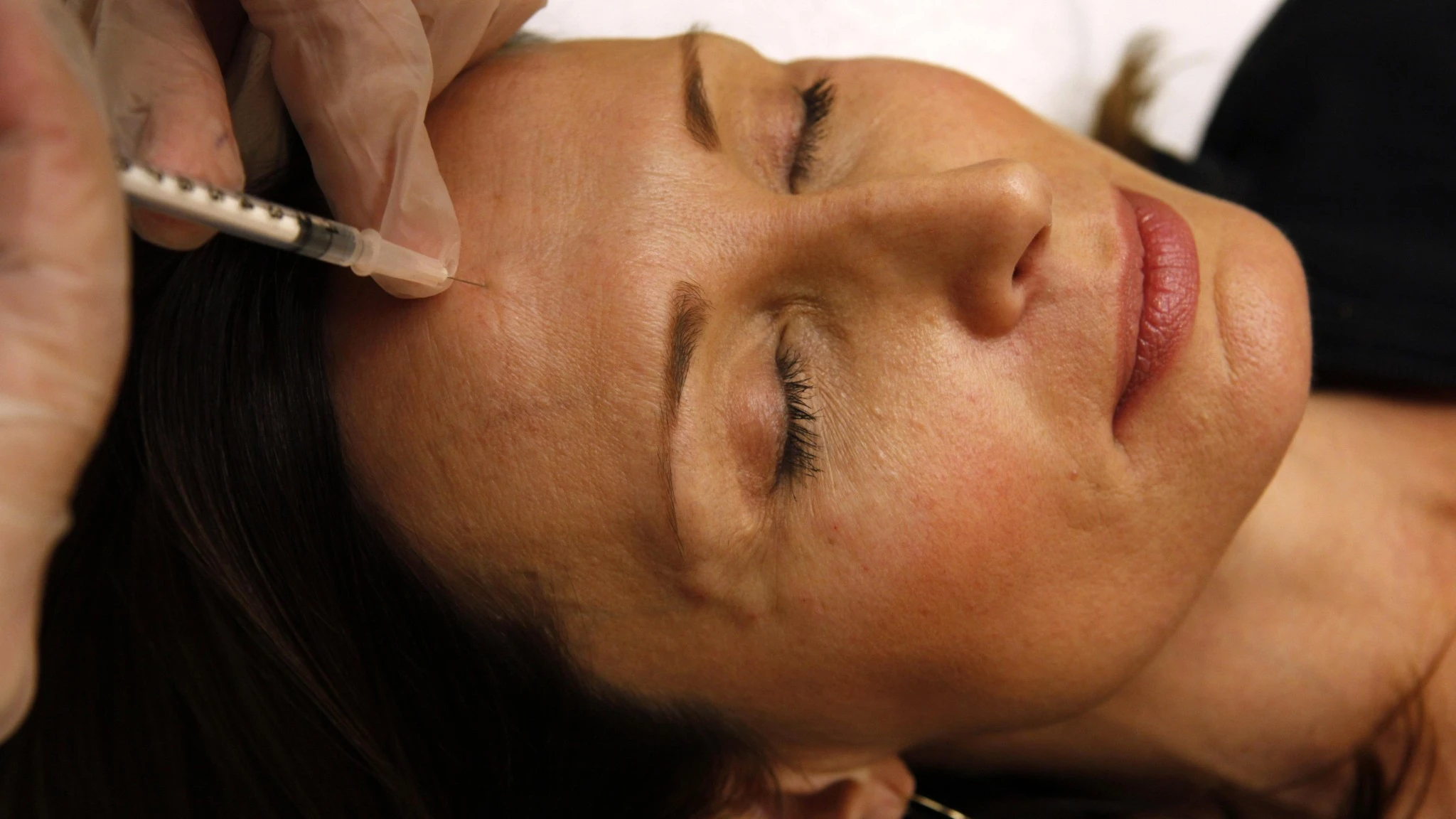
The skin around the eyes is the thinnest on the body and often lacks subcutaneous fat. Here, we use formulations with a lower viscosity (thickness) that have been specifically developed for this extremely sensitive area. As polynucleotides do not bind large amounts of water in the same way as hyaluronic acid (fillers), the risk of unwanted swelling under the eyes is reduced. The treatment aims to gently plump and strengthen the skin from within, which often means that underlying blood vessels are less visible.
Gentle approach
Whether we are treating the delicate area under the eyes or carrying out a skin-rejuvenating treatment across the entire face, our specialists use refined injection techniques that minimise stress on the tissue. The face is a complex area with many important nerves and fine blood vessels. A meticulous approach is absolutely crucial to reduce bleeding, manage temporary redness and ensure that the polynucleotides are injected into exactly the right layer of skin (the dermis) for an even and long-lasting result.

A clinic full of expertise
Administering injections, particularly in the sensitive area around the eyes, requires a very high level of anatomical knowledge. At The Faculty, all treatments are carried out exclusively by qualified doctors and injection nurses. We place great emphasis on medical safety and evidence-based techniques. Our aim is always to provide you with clear information and a transparent process, so that you can feel confident throughout your treatment journey, from the initial consultation to the final follow-up.
Price of polynucleotides
The price depends on the size of the area to be treated and the number of sessions required. During your consultation, we will always provide you with an accurate and clear quote based on your treatment plan.
Polynucleotides
3,600 (20% discount on a course of 3 treatments)
Consultation with a surgeon
600
Nursing consultation
0

Consultation before injection treatment
Every patient journey with us begins with a consultation with a qualified specialist. We analyse your skin structure to determine whether polynucleotides are the most suitable treatment for your anatomical conditions. You will receive detailed medical information on how the product works in the tissue, how many treatments are recommended, and possible side effects.
You will be given a specific treatment proposal based on your facial features. Following the consultation, you are entitled to a statutory cooling-off period of at least 48 hours to allow you to decide, at your leisure, whether you wish to give your consent.

Polynucleotides
Step by step
To make sure you know exactly what to expect, we have a very clear process from the first meeting to the final check.
Consultation
Medical assessment and choice of method
Your treatment journey always begins with a personalised assessment by one of our specialists. We analyse your skin condition, review your medical history and ensure that you have no contraindications (such as an allergy to fish, as some PDRN products are derived from salmon DNA). Together, we draw up a bespoke plan and explain how the product works at a cellular level in your tissue.
Before your treatment
Preparations for safe treatment
You will receive written instructions on how best to prepare your skin. To minimise the risk of bruising at the injection sites, we recommend that you avoid alcohol, Omega-3 and blood-thinning medication (unless otherwise prescribed by your doctor) for at least 48 hours prior to your treatment. Please come to the clinic without make-up so that we can assess your skin in its natural state.
The day of treatment
Safe care at the clinic
We always work under strict hygienic conditions. The area to be treated is thoroughly cleaned and disinfected. As the injections are administered superficially and in close proximity, we usually apply an effective numbing cream. This is done to minimise discomfort, particularly in the sensitive area under the eyes.
Recovery & healing
Self-care and convalescence guidelines
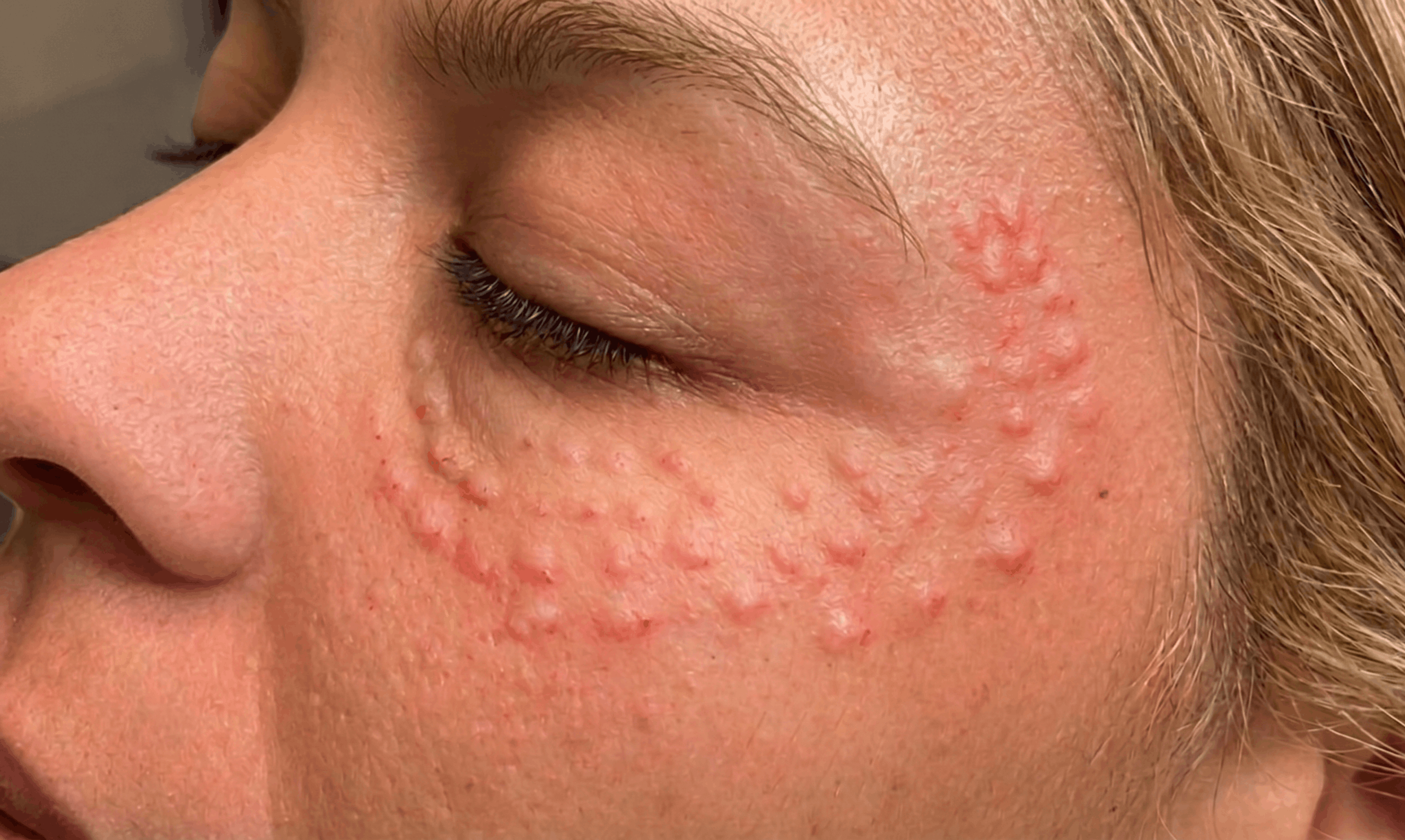
It is entirely normal for the skin to be red and for the papules to be clearly visible immediately after treatment. These fluid-filled blisters are naturally absorbed by the body, usually within 24 to 48 hours, depending on the thickness of your skin. To prevent infection, you should avoid touching the area or applying make-up for the first 24 hours. You should also refrain from intense exercise, saunas and sun exposure for the next 48 hours.
Monitoring & results
Medical check-up and final assessment
Stimulating skin cell renewal, collagen and elastin is a biological process that takes time. As a polynucleotide treatment is carried out as a course of treatment, your subsequent appointments will be scheduled approximately two to four weeks apart. A few weeks after your final treatment in the course, we can objectively assess how your tissue has responded to the product and discuss future maintenance treatments.

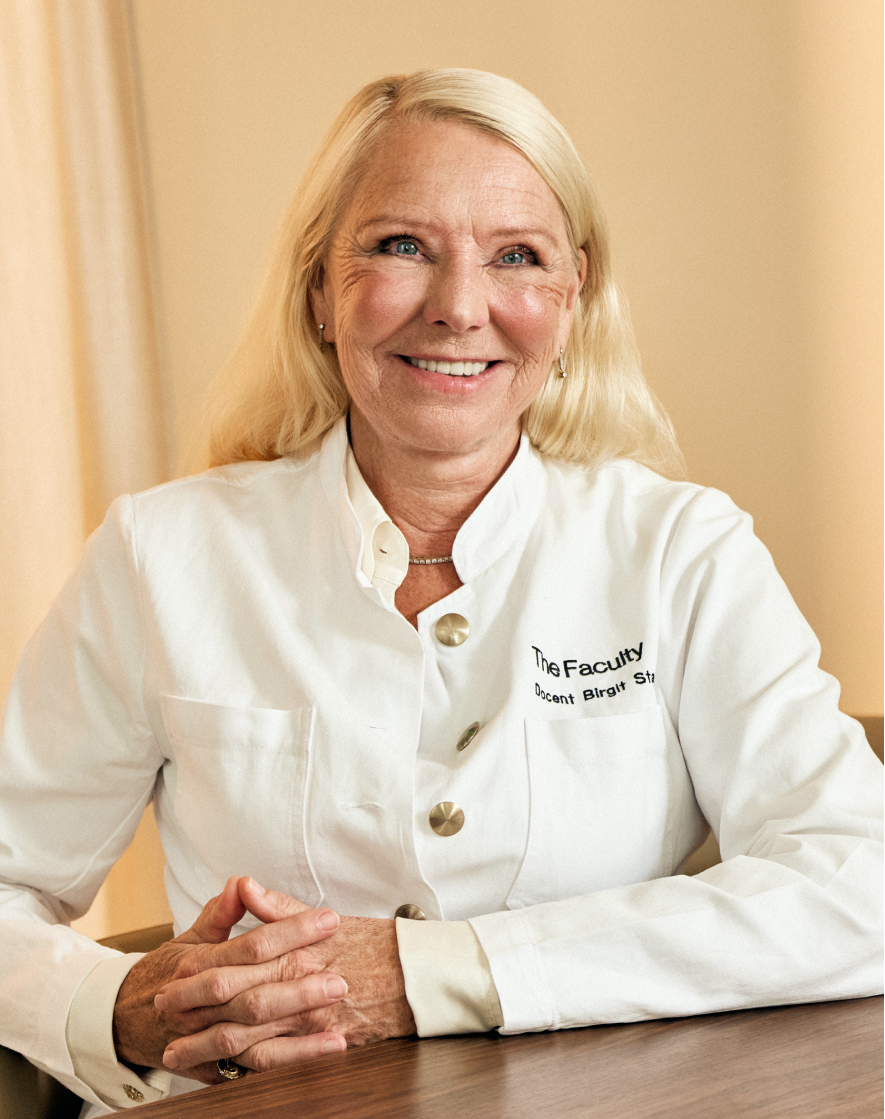
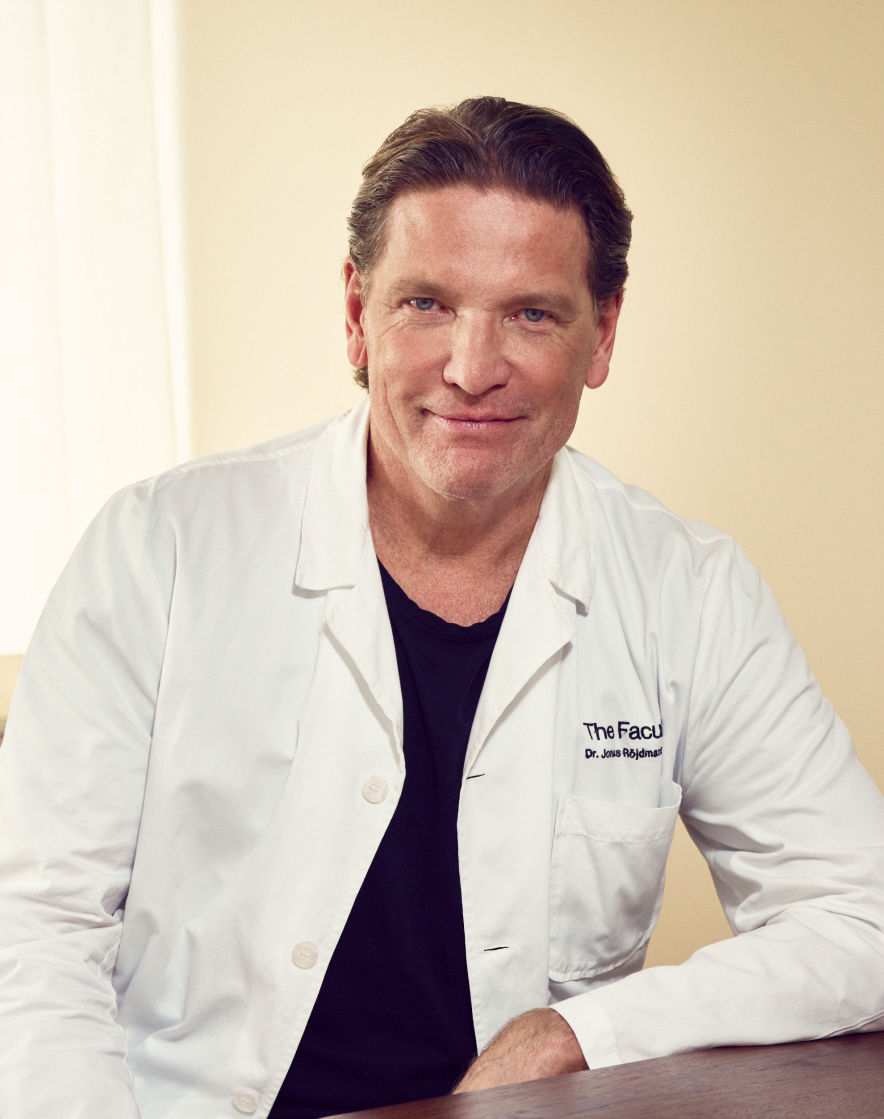
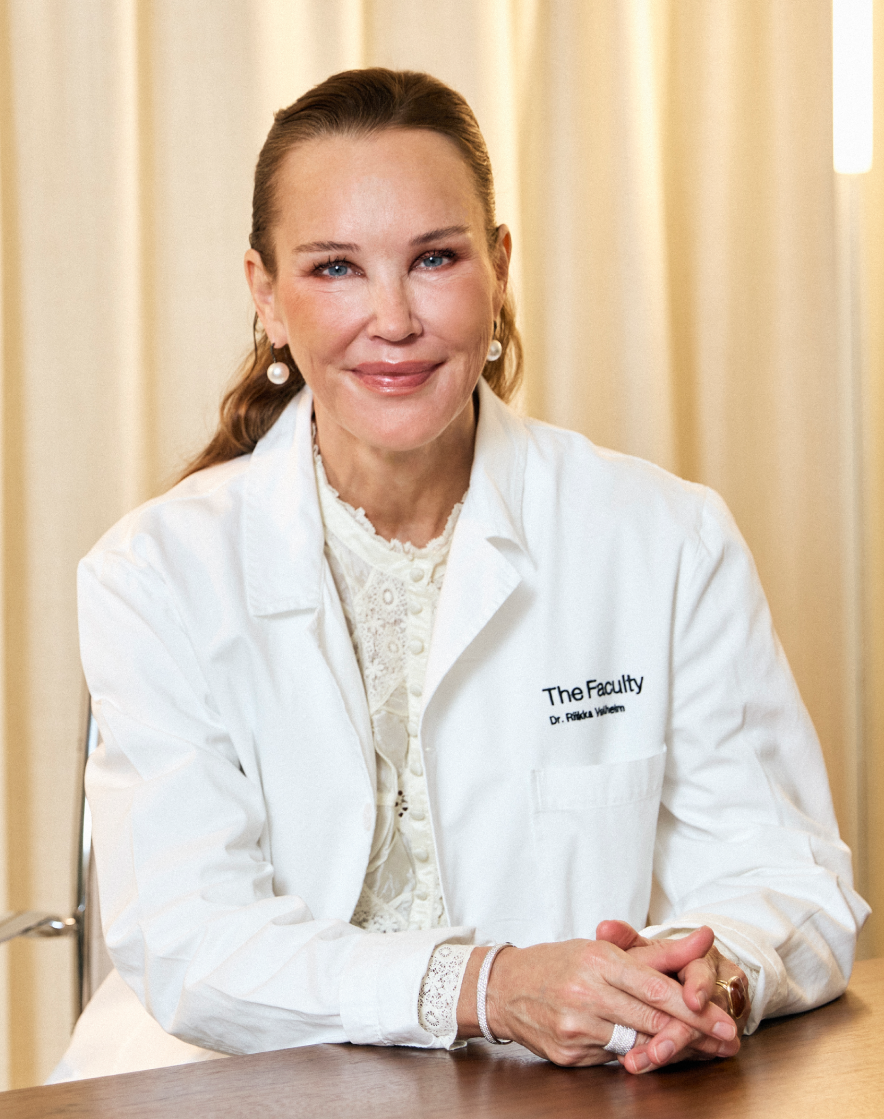
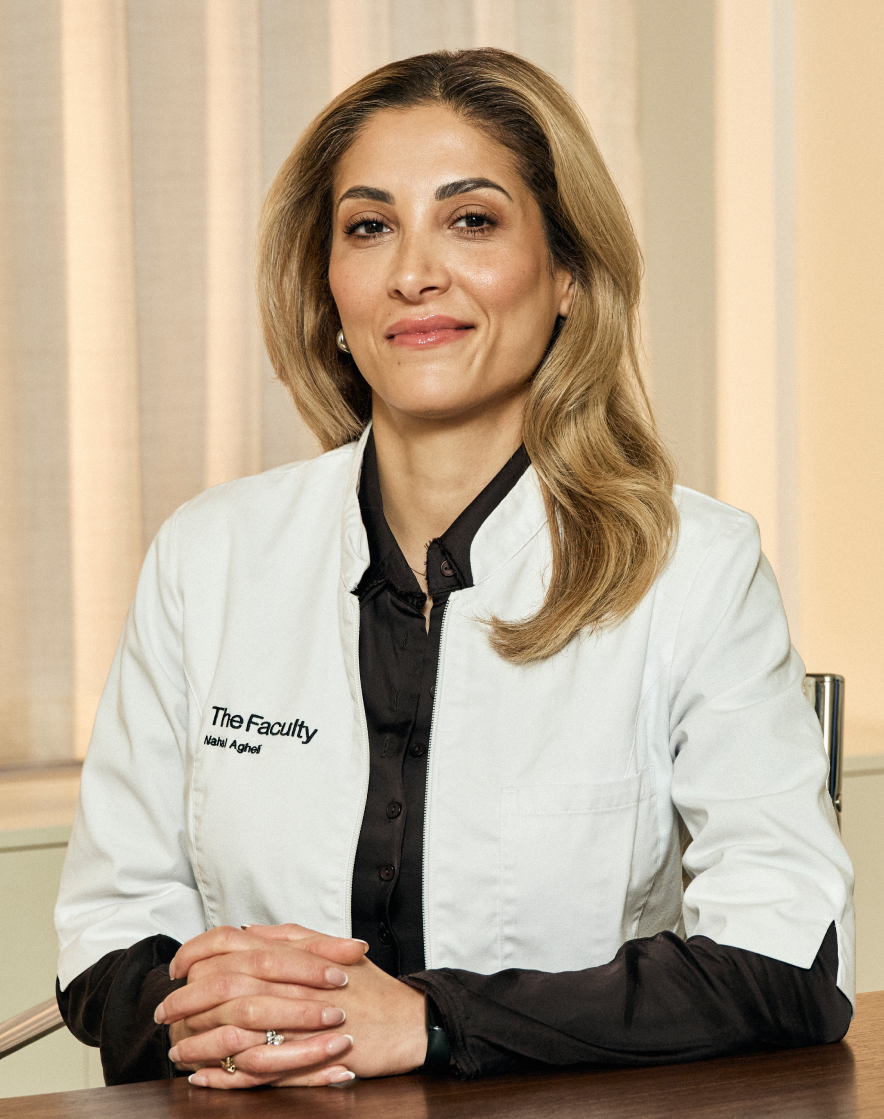
Our specialists
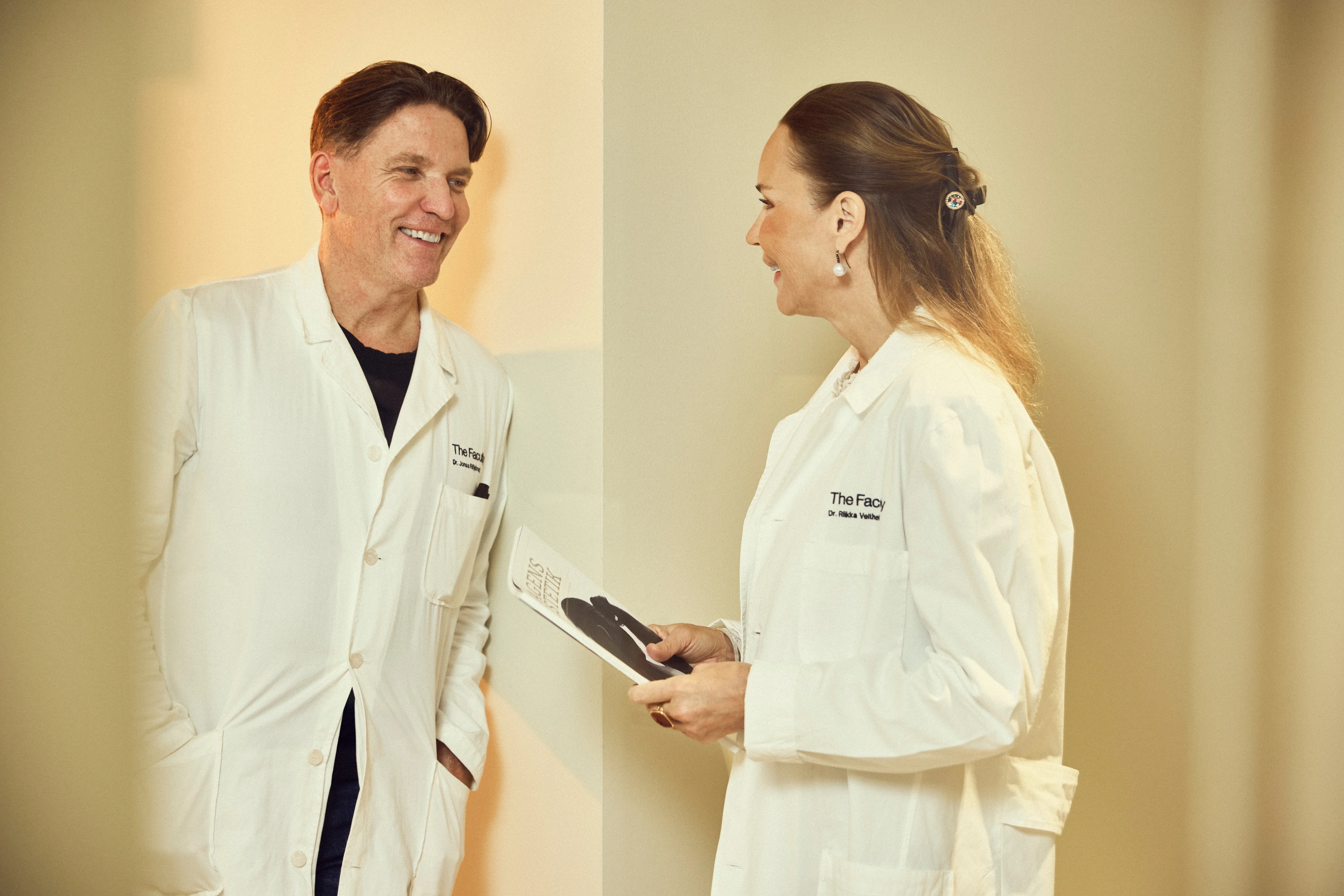
At The Faculty, you will meet a hand-picked team of qualified doctors and injection nurses. Working with advanced, structuring treatments requires an in-depth understanding of the body’s biology and anatomy. The medical expertise of our staff forms the very foundation for ensuring that your treatments are always carried out safely, precisely and securely.


Who is eligible for PDRN treatment?
To undergo injection treatment, you must be at least 18 years of age and in good general health. During the consultation, a medical assessment of your physical condition will be carried out. You must not be pregnant or breastfeeding. We also do not treat individuals with active skin infections, certain autoimmune diseases or known allergies to the ingredients (as some PDRN products are derived from fish DNA, special consideration must be given to any allergies).


Our clinics
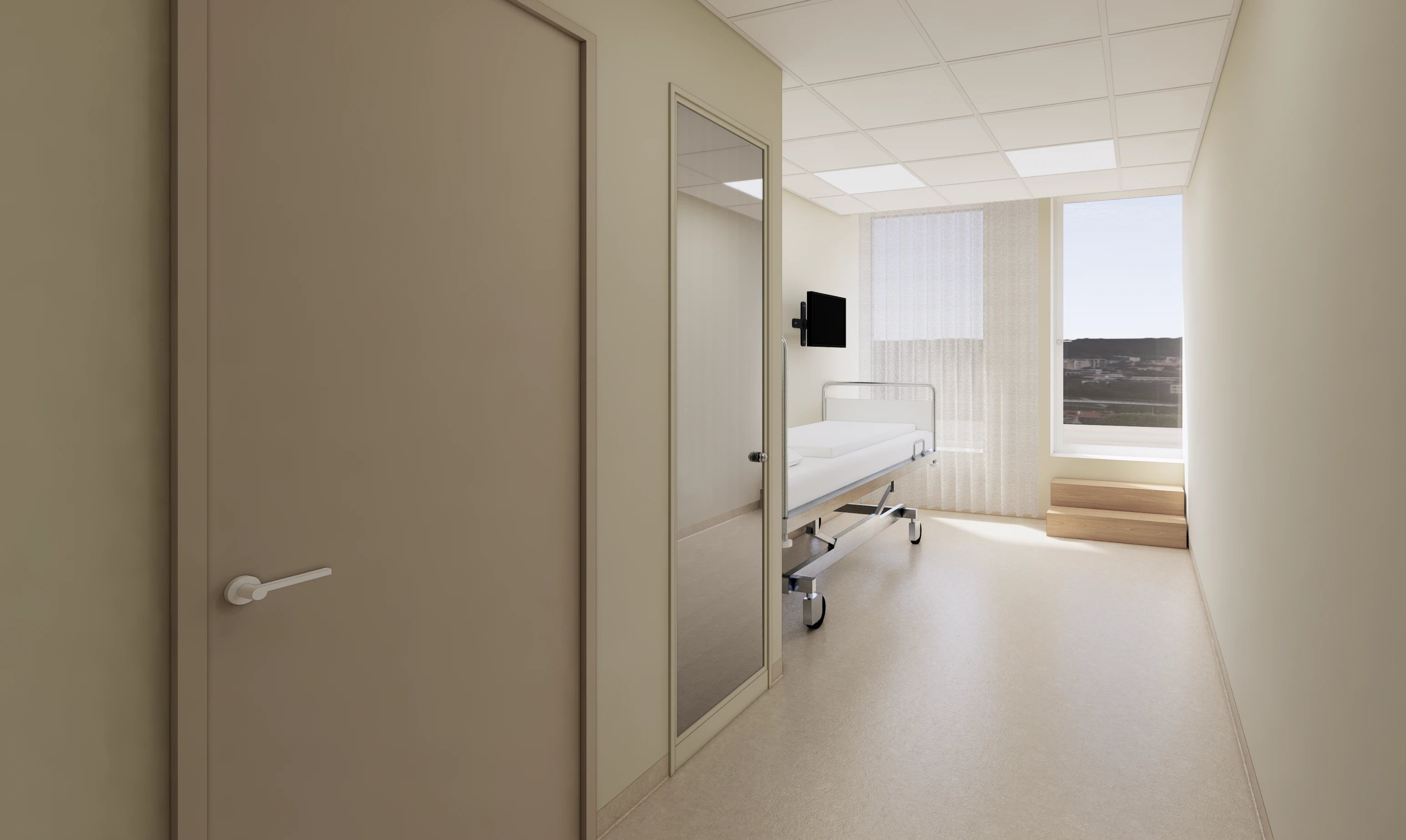
The Faculty combines medical safety with a welcoming environment. Our state-of-the-art clinic at Hangövägen 20 is one of the few plastic surgery clinics in Sweden that is built to proper hospital standards. For skin care and injection treatments, you are welcome to visit our walk-in clinic at Humlegårdsgatan 14 in central Stockholm. All operations are based on medical expertise and proven experience to offer a safe process from the first visit to the last follow-up.

Payment guarantee and insurance
We make sure you receive clear information about every aspect of your treatment and what is included in the cost. For your complete peace of mind, you are always covered by patient insurance with us as a registered healthcare provider. If you wish to finance your course of treatment, we also offer flexible and transparent solutions for payment in instalments.

Articles & news

Frequently asked questions about polynucleotides
Frequently asked questions and answers about Rejuran and PDRN.
What is the difference between Polynucleotides and Profhilo?
Profhilo is based on a high concentration of unbound hyaluronic acid, which is injected to provide intense hydration and a temporary lifting effect. Polynucleotides, on the other hand, act at a cellular level to stimulate the body’s own tissue repair and collagen production. They are often used for various anatomical purposes.
Can polynucleotides be used to treat the area under the eyes?
Yes. Polynucleotides (such as Polyphil Eye) are specifically designed to address the extremely thin skin around the eyes. The treatment aims to increase the skin’s structural thickness and elasticity, which can objectively reduce the appearance of dark circles if they are caused by underlying blood vessels showing through thin skin.
What are polynucleotides made of?
The medicinal product consists of highly purified, synthesised DNA fragments (polydeoxyribonucleotides). These are naturally occurring structures that have been thoroughly purified of proteins, and they are designed to integrate gently into your tissue without causing an immune response.
How many treatments are needed?
To achieve the tissue-stimulating effect, we usually recommend an initial course of treatment consisting of three to four sessions, spaced approximately two to three weeks apart. Following this, a maintenance treatment is usually recommended approximately every six months.
Do you supply polynucleotides in Gothenburg or Malmö?
The Faculty currently has its state-of-the-art clinics located exclusively in Stockholm (Humlegårdsgatan and Hangövägen). Many of our patients from other parts of Sweden choose to travel here for their PDRN treatment courses.
Do the injections hurt?
The experience is entirely individual. As the product is injected in the form of small, closely spaced droplets into the outermost layer of the skin, you may feel the procedure. We use gentle techniques and always apply a topical anaesthetic cream beforehand to make your experience as comfortable as possible.

The Evolution Of You, Guided by Science
Feedback skickad!
Tack! Vi har tagit emot dina ändringar och uppdaterar texten.